Maria Valve
1 / 5
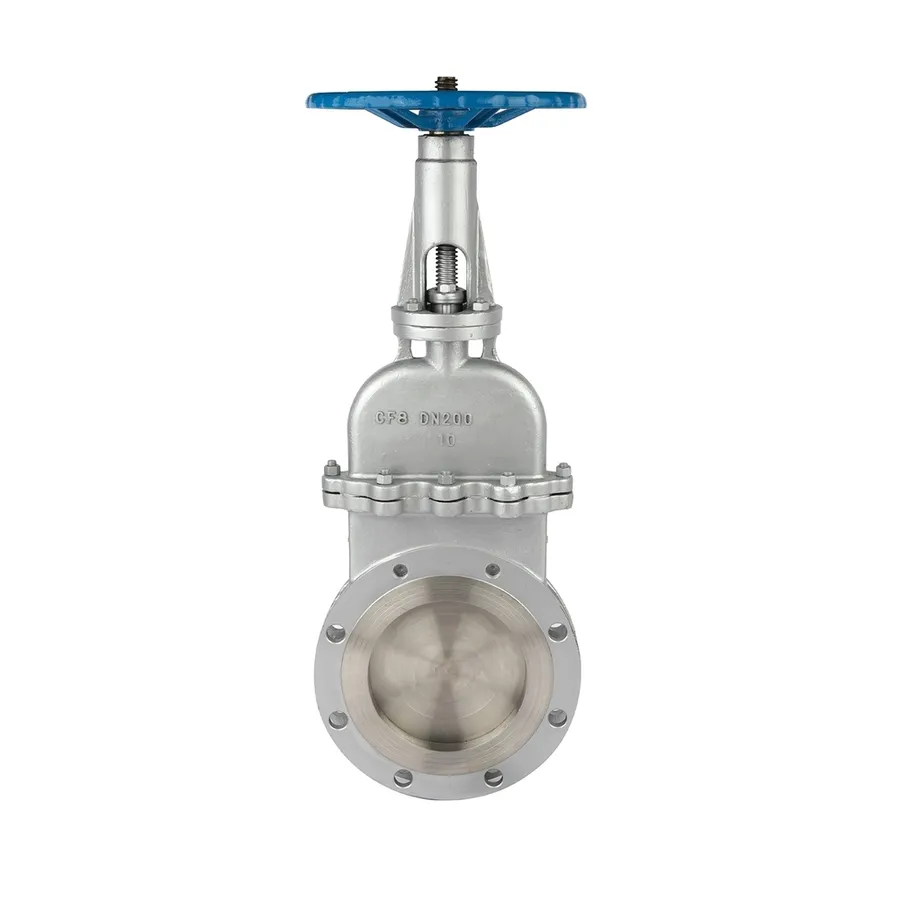
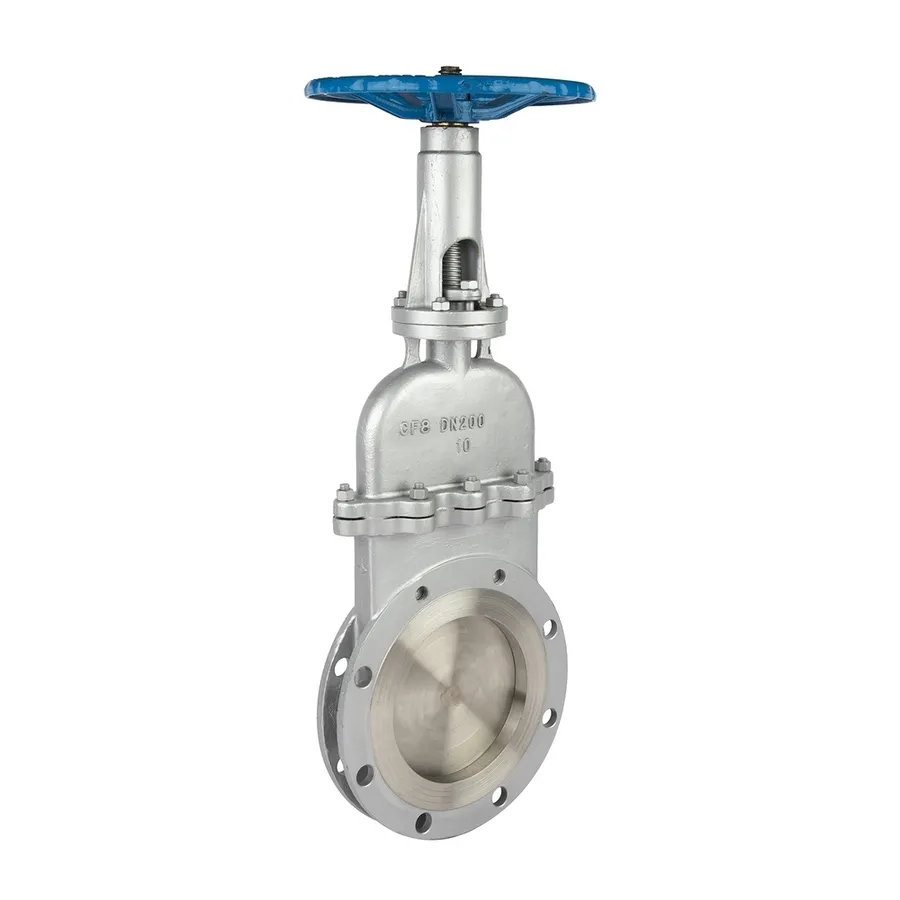
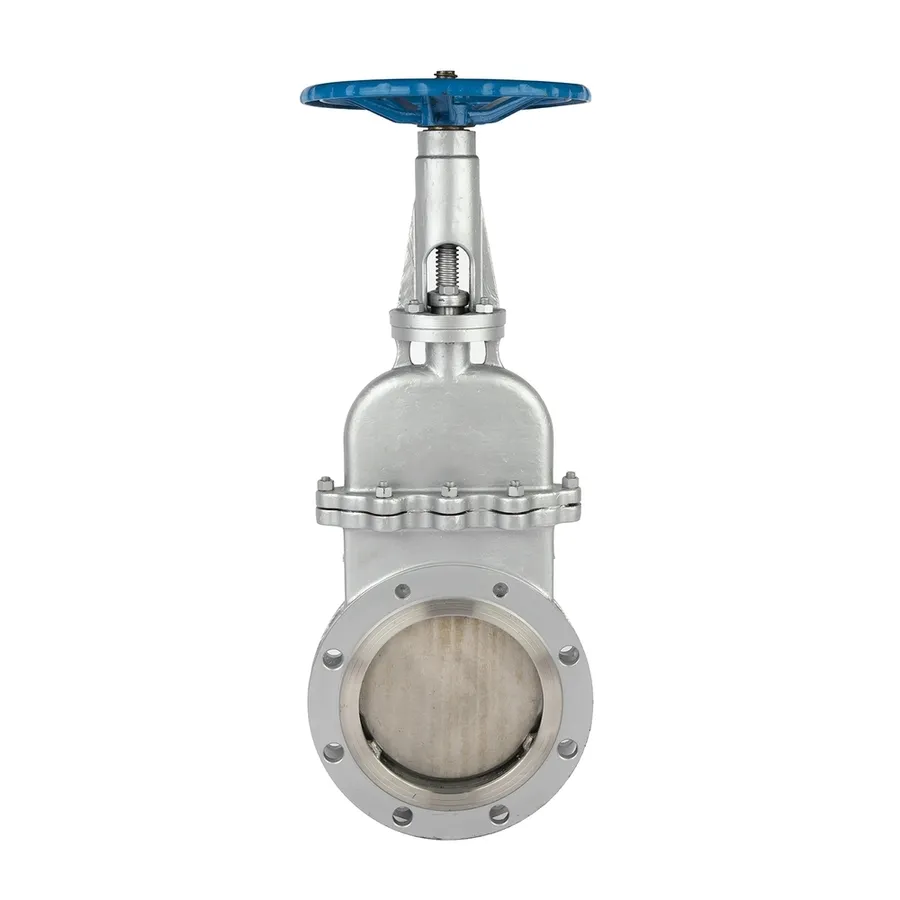
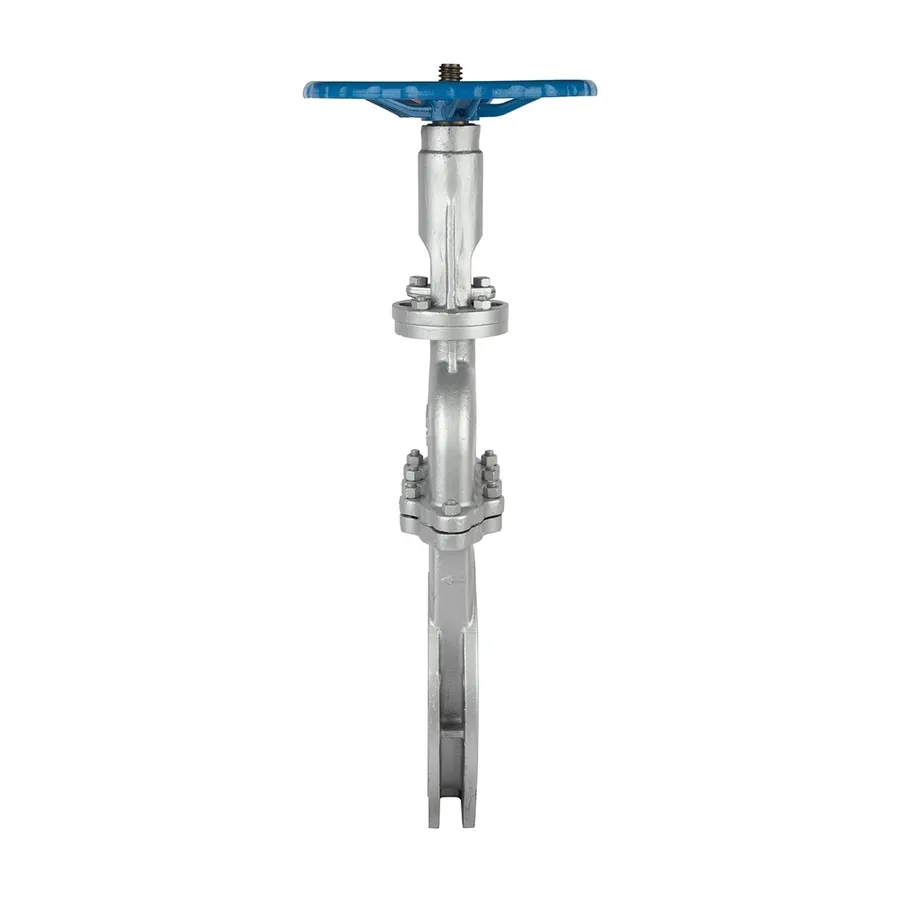
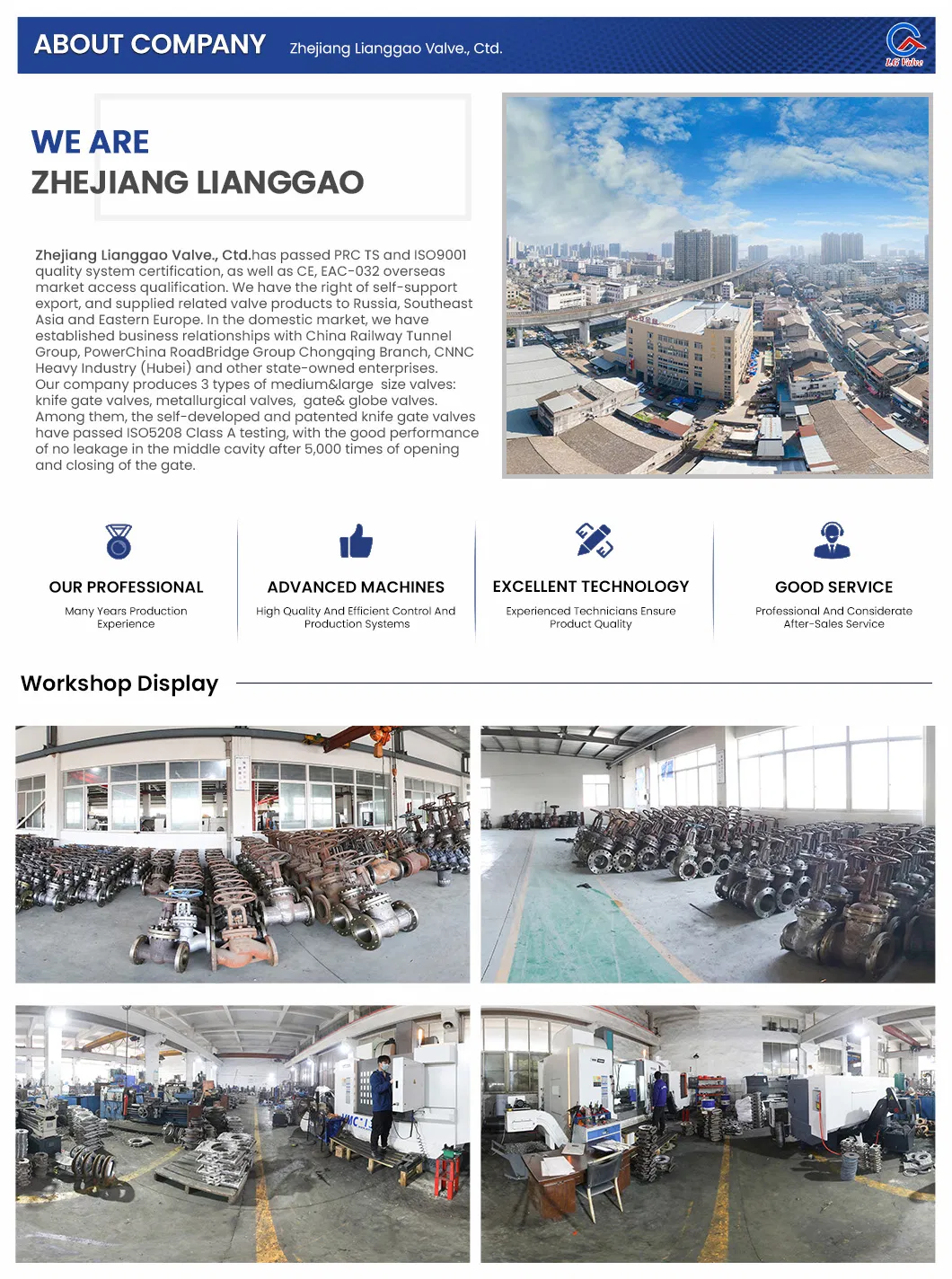
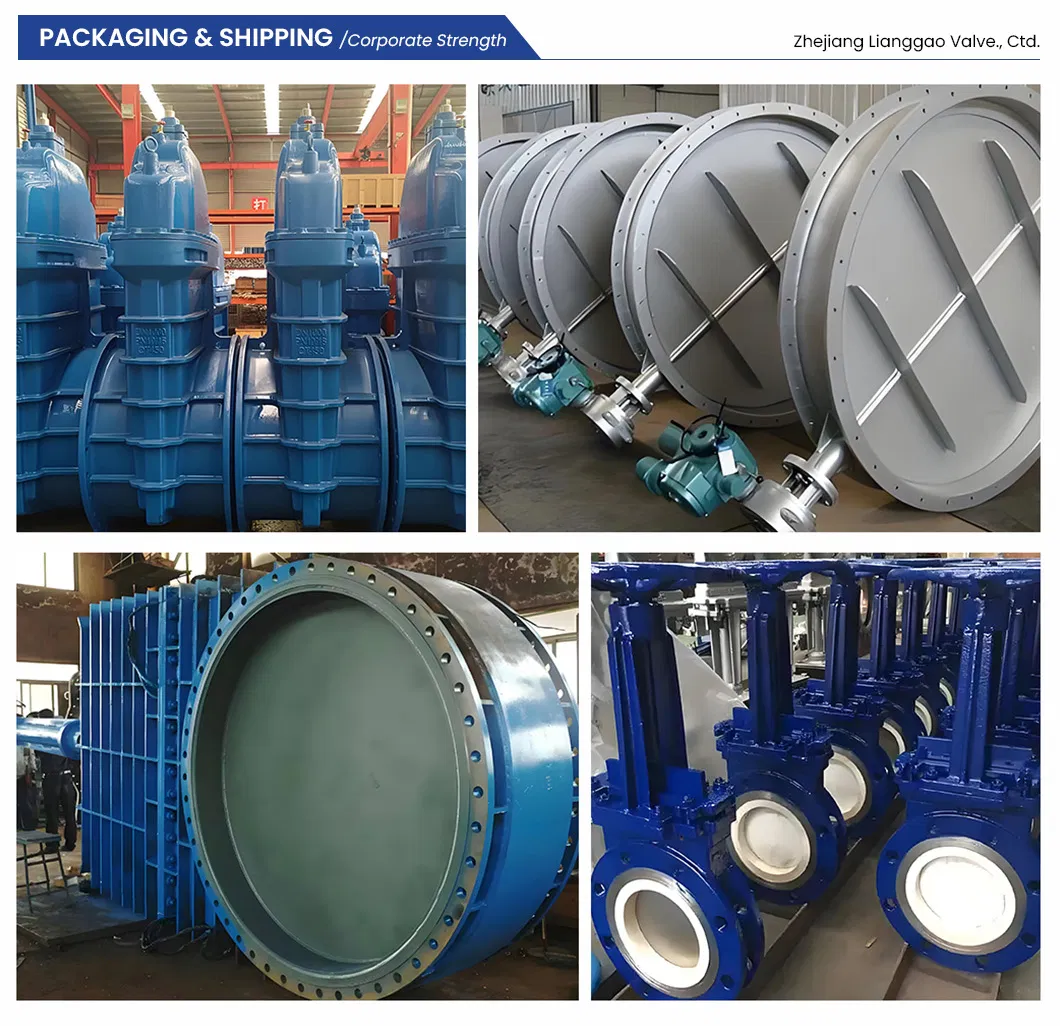
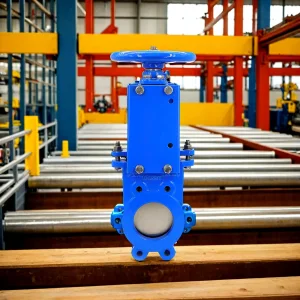
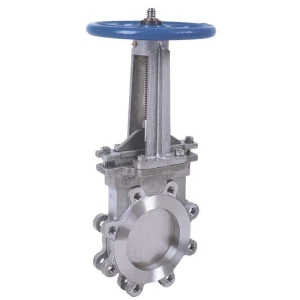
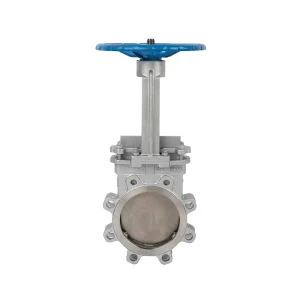
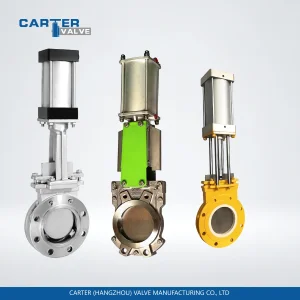
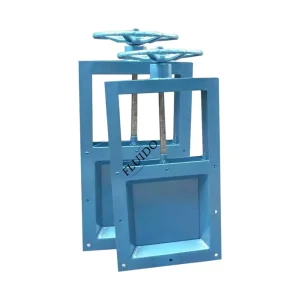
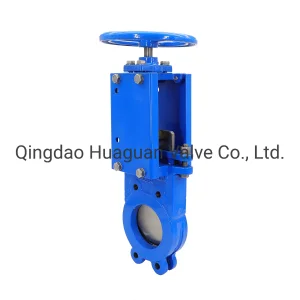
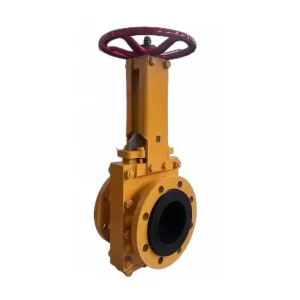
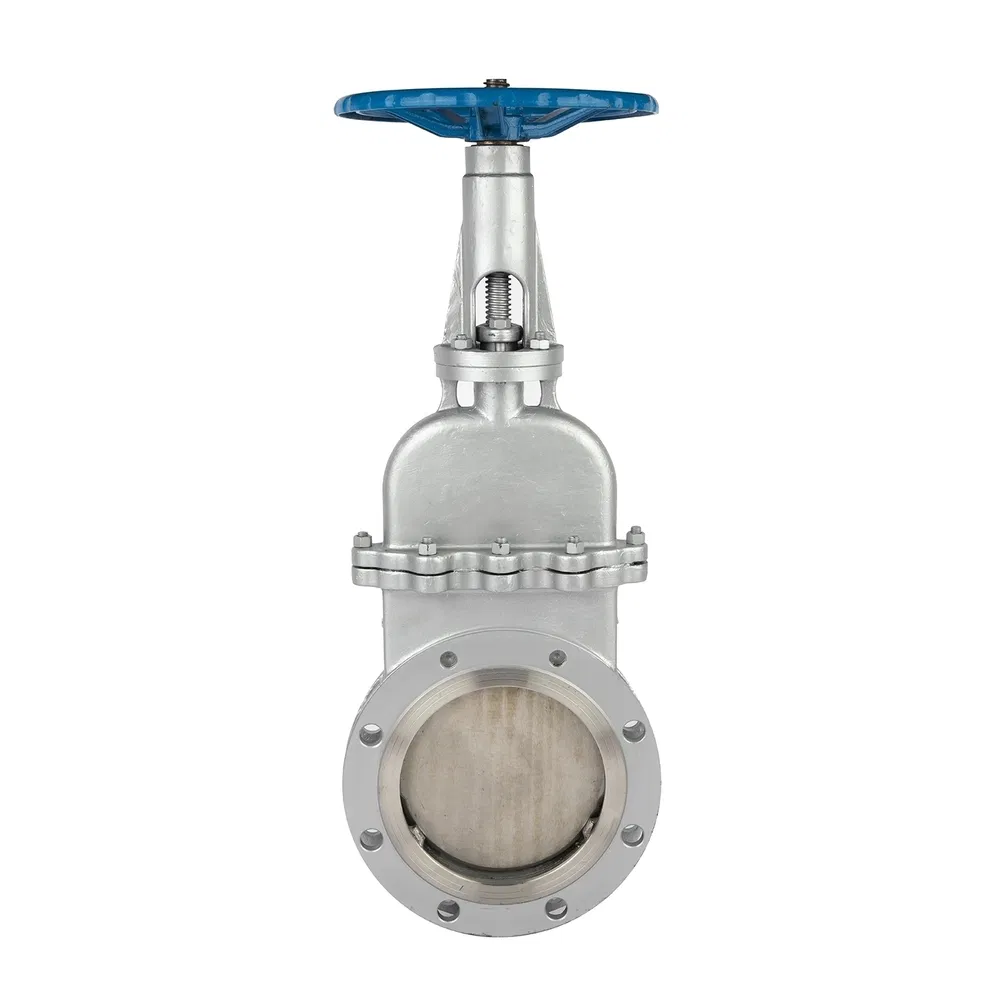
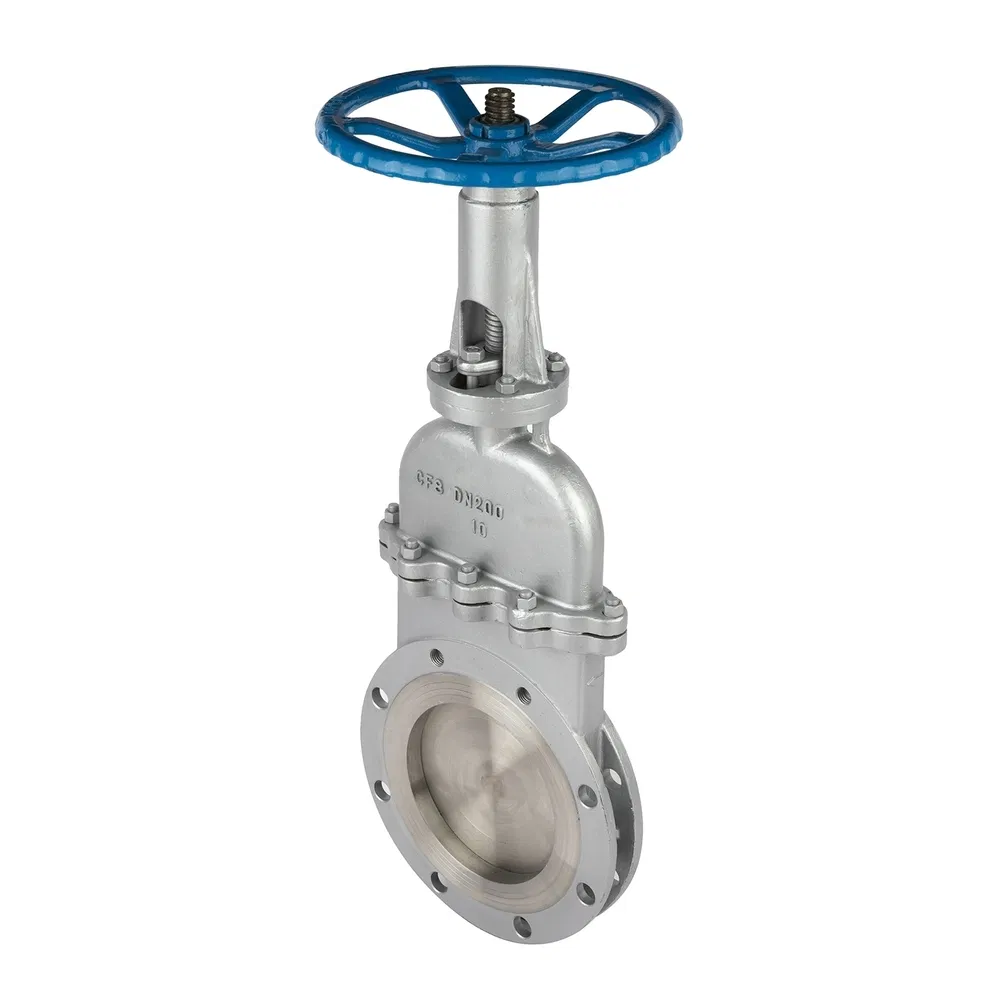
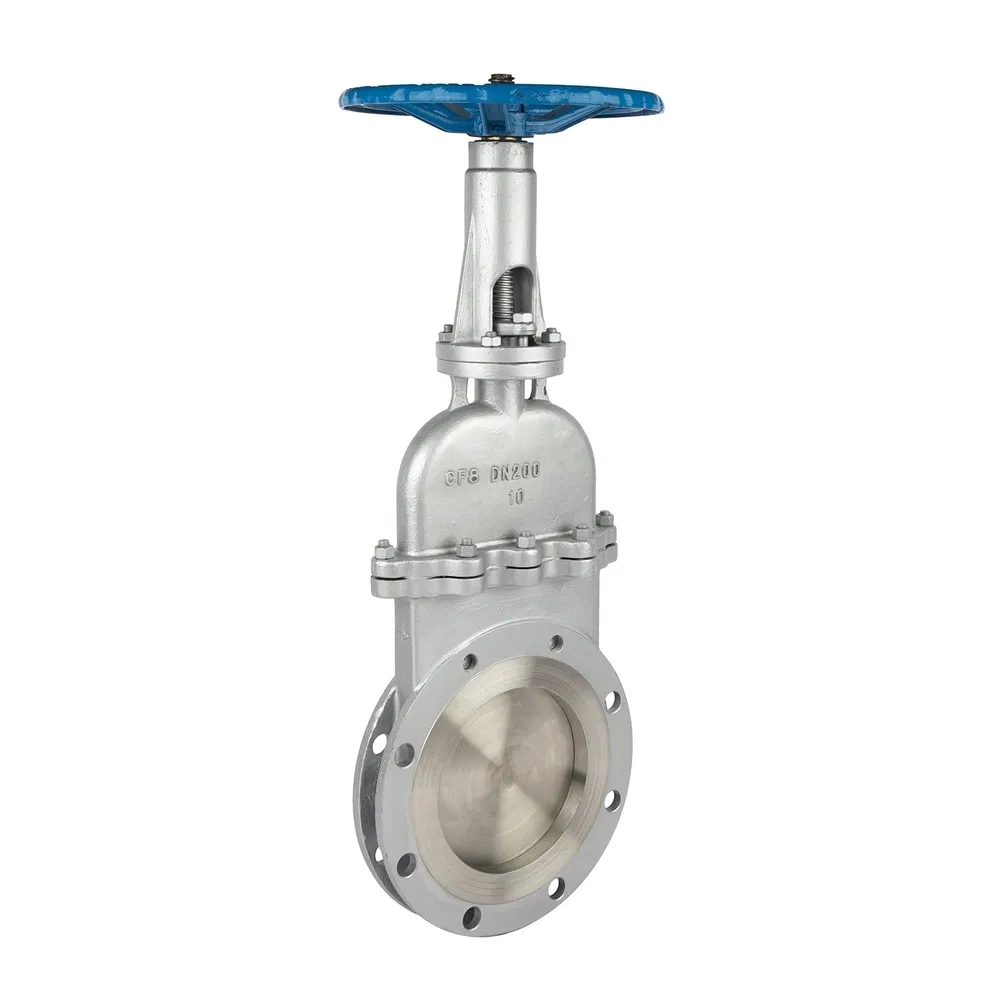
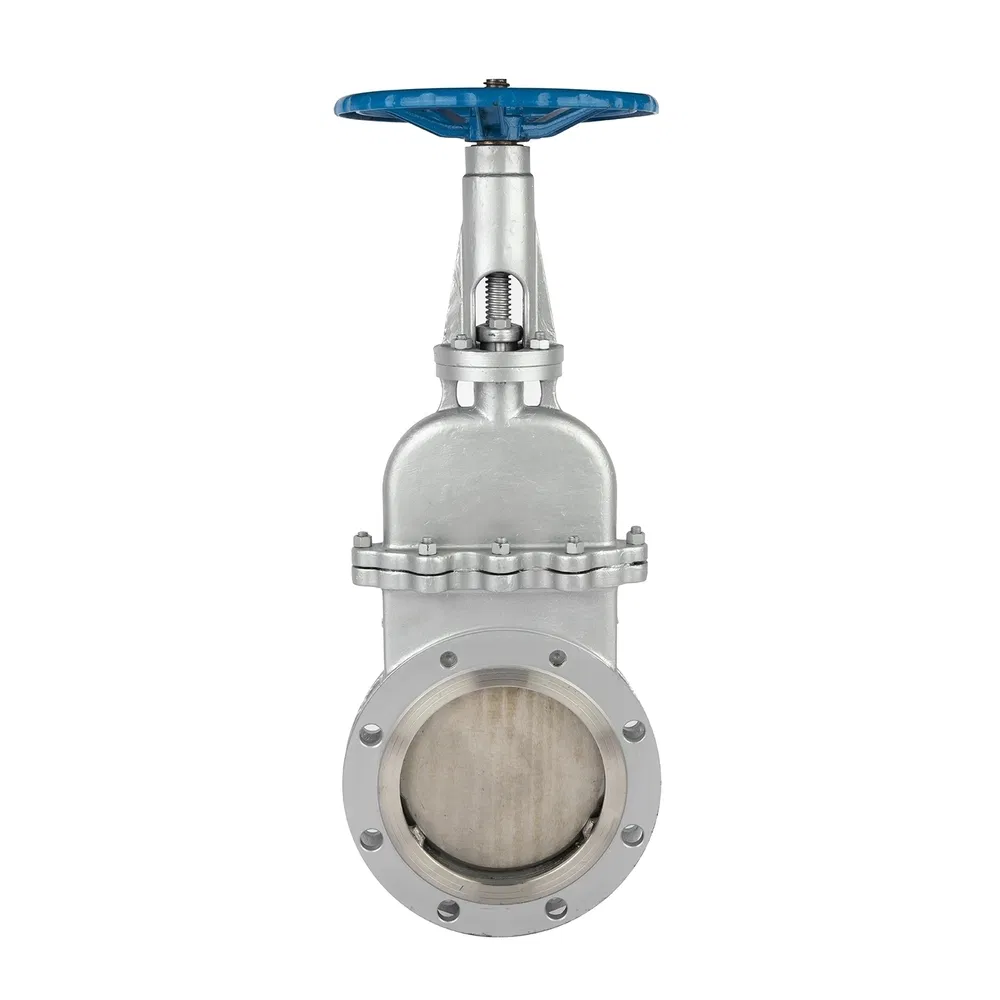
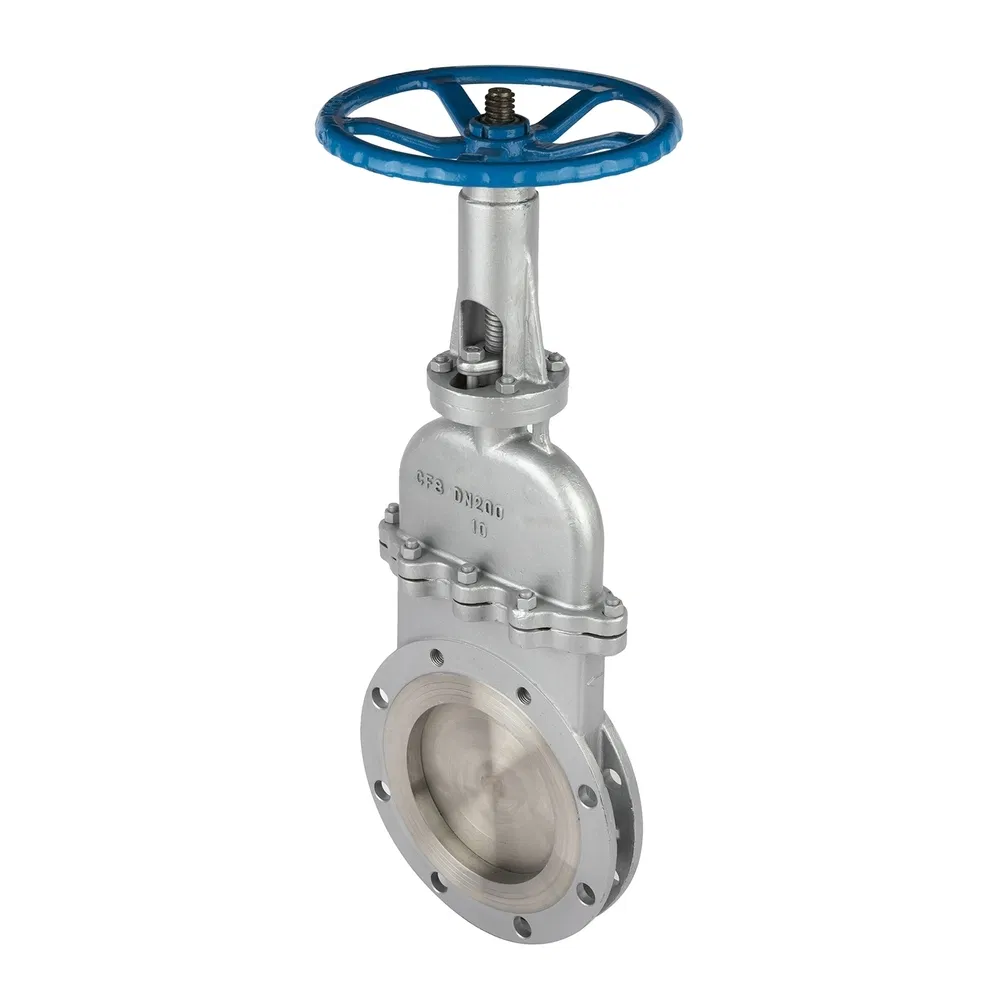
The gate valve is a shutoff valve that controls the flow of pipeline media through the vertical movement of the gate. Its core component is a wedge-shaped or parallel gate, driven by the valve stem to move up and down. This design focuses on completely cutting off the flow, providing a straight flow channel in the fully open state to minimize fluid resistance.
The most prominent feature is its full-diameter design and reliable shutoff performance. When fully opened, the gate is completely retracted, generating almost no additional flow resistance. The sealing surface adopts a metal-to-metal or soft sealing structure for strict medium isolation.
Gate valves are widely used in long-distance oil and gas pipelines, chemical plants, and power station systems. They serve as essential regional control valves in urban water supply and drainage networks, providing reliable shut-off functions across various industrial environments.
| TECHNICAL SPECIFICATIONS | |
|---|---|
| Product Name | Covered Un-Directional Knife Gate Valve |
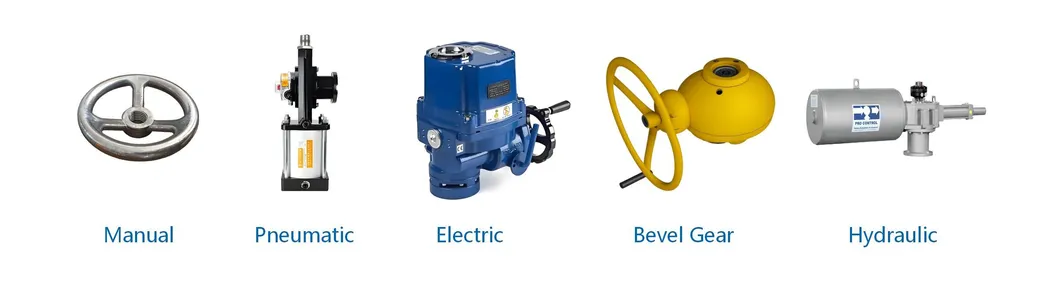
| Drive Types | Manual/Helical Gear/Electric/Pneumatic/Hydraulic |
| Body Material | WCB/CF9/CF9M/CF4M/310S |
| Gate Material | 201/304/310/316/310S |
| Stem Material | 310S/201/304/316/316L |
| Sealing Material | NBR/VITON/WCB/HTV/TC/304/Stellite |
| Size Range | DN50-DN1500 |
| Working Pressure | 1.0MPa / 1.6MPa / 150LB |
| OEM & ODM | Available / Accepted |
| Payment Terms | T/T, L/C, Western Union |
The gate valve adopts a flow channel structure with the same diameter as the pipeline. Forming a nearly unobstructed straight-through flow channel significantly reduces pressure loss, maximizing medium flow rate and system energy efficiency.
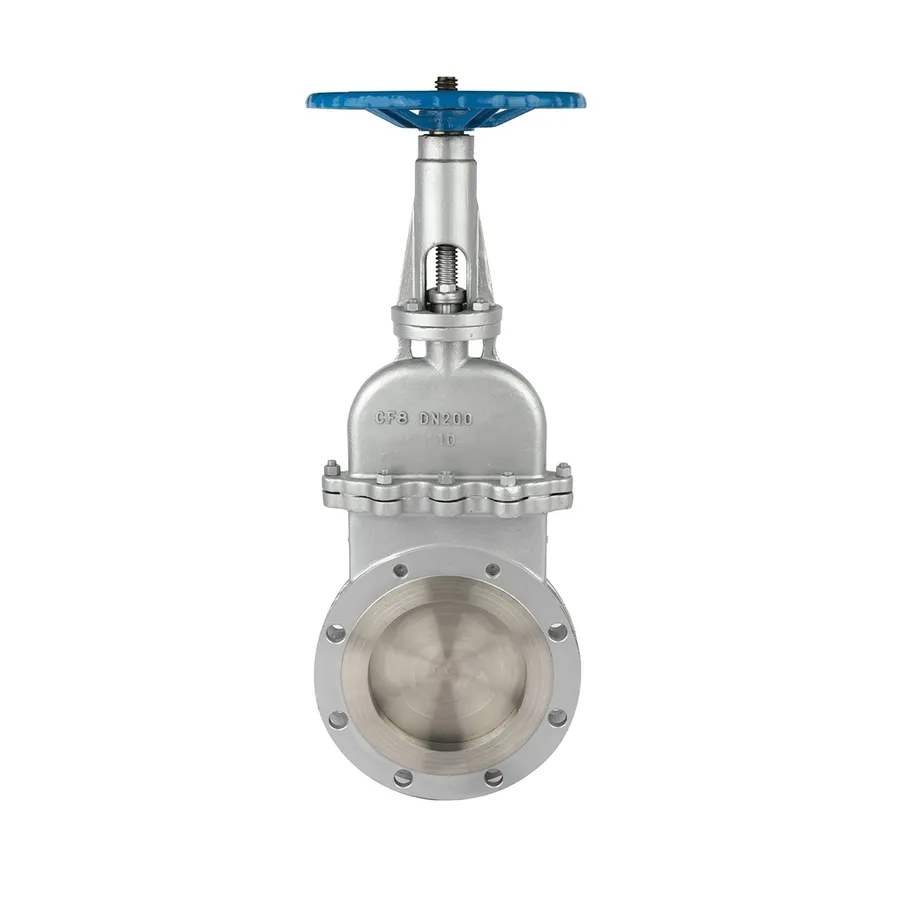
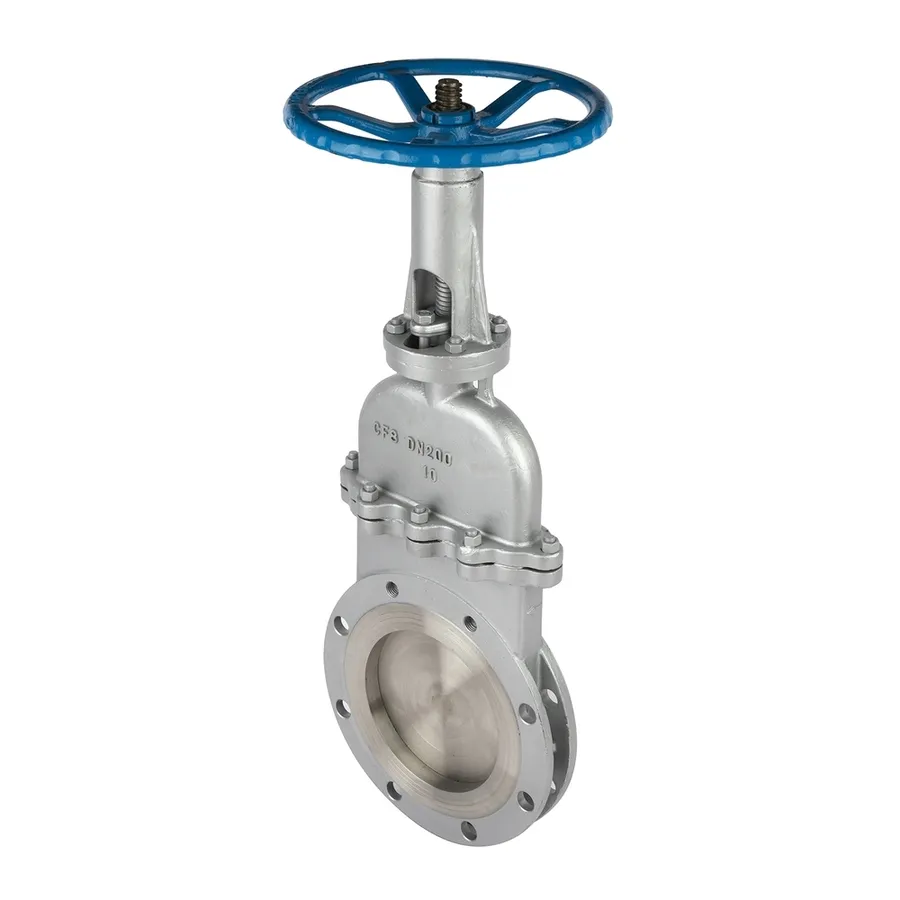
Effective sealing can be achieved on both sides of the gate valve plate. The symmetrical sealing structure design ensures consistent performance regardless of flow direction, offering flexibility for pipeline layouts.
Consisting of fewer moving parts, the lifting stem design avoids rotational wear. This allows the valve to maintain stable operating performance during long-term use, extending the maintenance cycle.