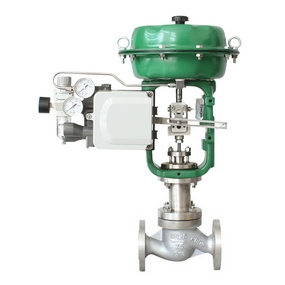
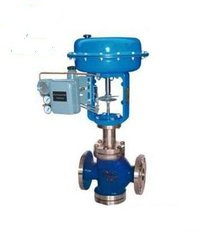
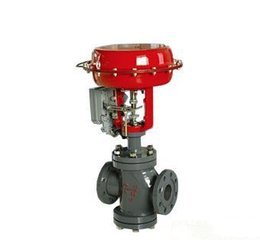
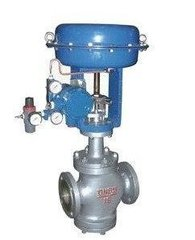
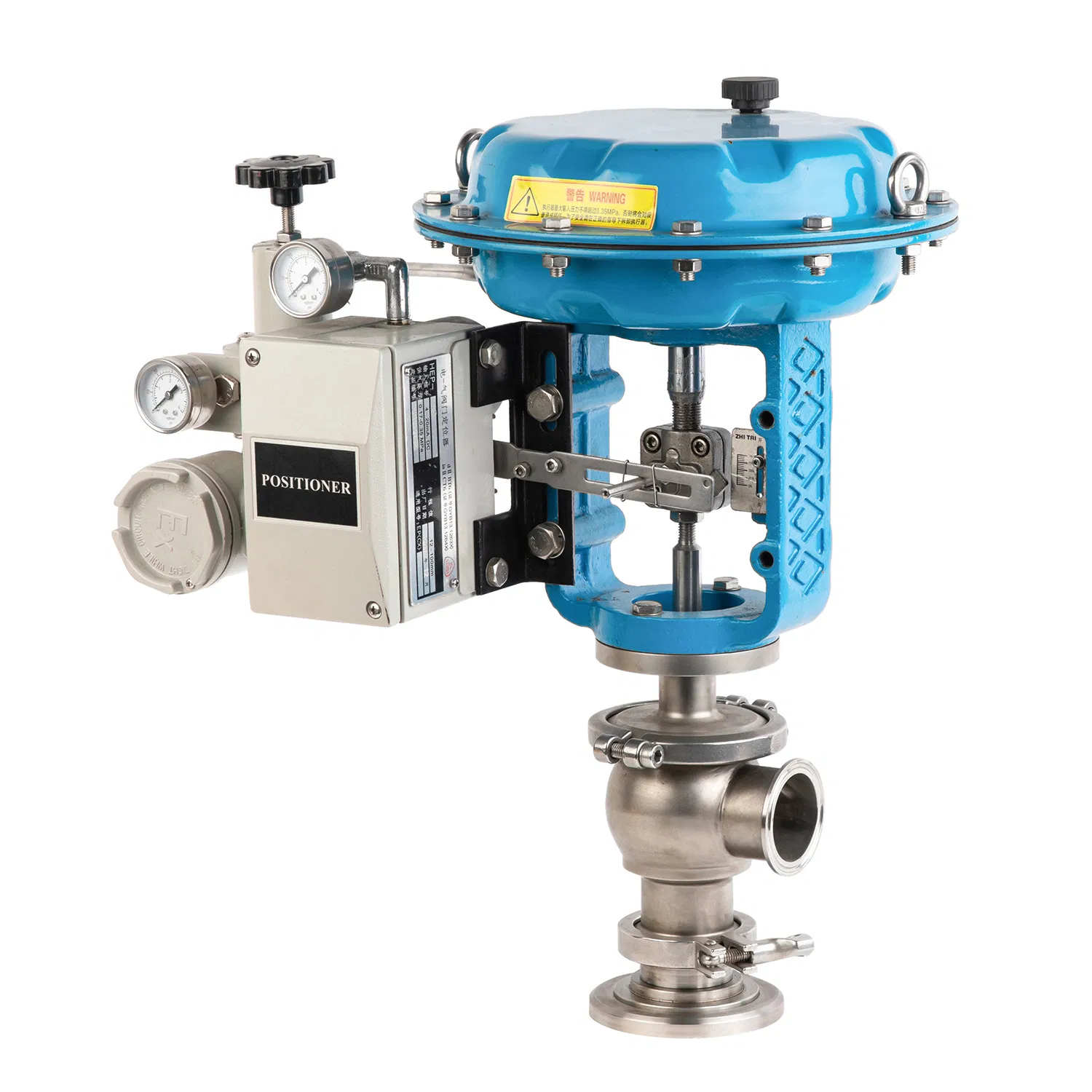
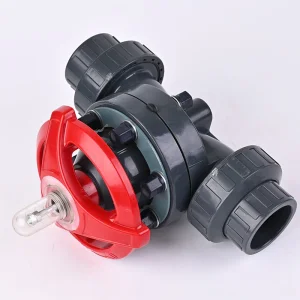
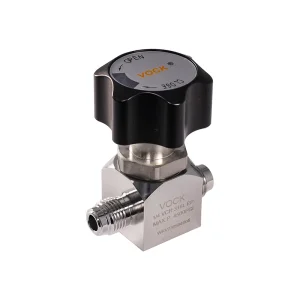
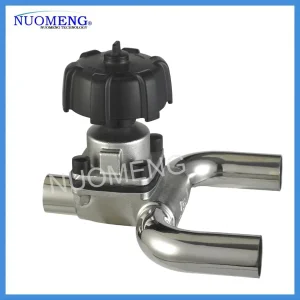
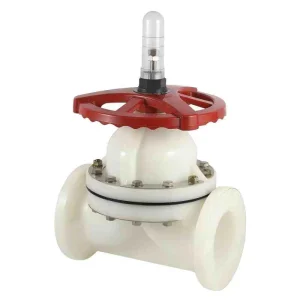
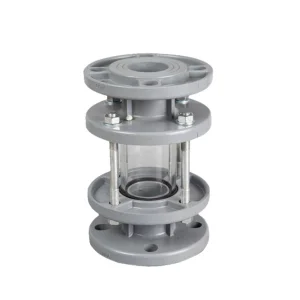
Pneumatic Diaphragm Double Seats Control Valve (ZJHN)
⚙️ Summary
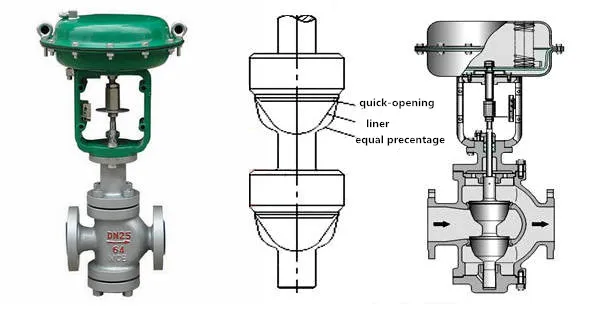
ZJHN pneumatic diaphragm double seats control valve is designed to achieve pressure compensation and reliable shut-down through a spool barrel on two sealing lines. The valve body features dual seats, providing superior flow capacity compared to single-seat designs. While the structural form increases potential leakage slightly, it excels in handling large flow volumes, small unbalanced forces, and significant pressure differentials. It is particularly suited for high-pressure drop and high-flow industrial applications.
📋 Technical Specifications
| Control Valve Overview |
| Model | ZJHN |
| Size | DN25 ~ 200mm |
| Structure Form | Double Seats Guide Type |
| Body Material | Carbon Steel (WCB), Stainless Steel (304, 316, 316L) |
| Nominal Pressure | PN16, PN40, PN64MPa |
| Working Temperature | -17 ~ 450ºC |
| Application Range | Gas, liquid, steam, petroleum, chemical industry, power station. |
| Features | Strong function, reliable performance, high adjustment accuracy. |
| Action | Air closing (B) - Fail Open; Air opening (K) - Fail Close |
| Accessories | Positioner, Air Filtration, Pressure Reducing Valve, Transmitter, Handwheel |
| Body & Packing Specifications |
| Standard | JB/T79.1-94, 792-94, etc. |
| Bonnet Type | Bolted type |
| Working Temperature Types | Standard: -40~230ºC; Radiating: 230~450ºC; Low Temp: -60~196ºC; Bellows: -40~350ºC |
| Packing Material | V-type PTFE, PTFE+Graphite, Asbestos Textile, Graphite |
| Trim & Actuator Data |
| Plug Type | Double Seats Guide Type |
| Flow Characteristic | Linear or Equal Percentage Characteristics |
| Actuator Model | ZHA/B Multi-spring Diaphragm Actuator |
| Spring Range (MPa) | 20-100 (Standard), 20-60, 60-100, 40-200, 80-240 |
| Supply Pressure | 140 - 400 MPa |
✅ Key Advantages
The primary difference between a double-seat and a single-seat control valve is the number of seats within the body. Double-seat valves are engineered to withstand significantly larger pressure differences while offering a flow capacity roughly 20% to 25% higher than single-seat valves of the same nominal size. They are widely utilized for accurate control of pressure, temperature, flow, and liquid level in gas, liquid, and vaporization media processes.
💡 Working Principle
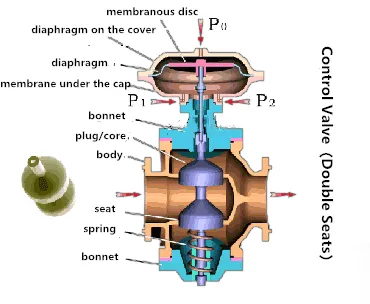
This valve utilizes upper and lower spools. Fluid enters from the left and exits through the right after passing the seats. Because the medium acts on both the upper and lower spools simultaneously, the forces offset each other, resulting in a small unbalanced force. However, due to the complex flow path, it is not recommended for high-viscosity or fibrous media where erosion or cavitation might occur.
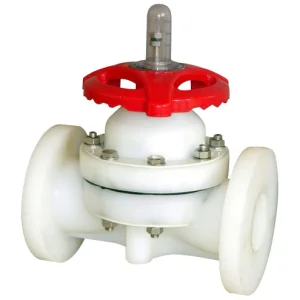
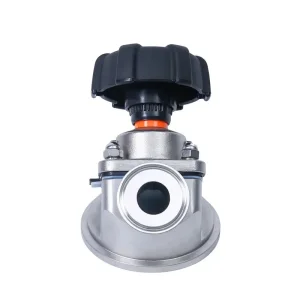
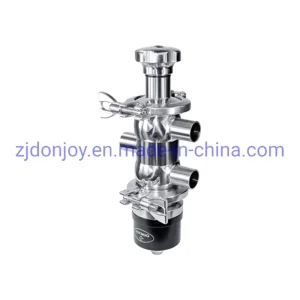
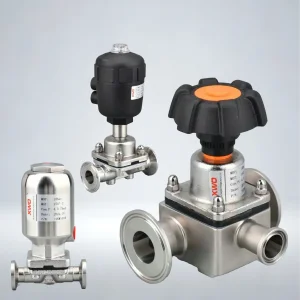
🖼️ Product Display
Frequently Asked Questions
What are the main benefits of a double-seat control valve?
The main benefits include a large flow capacity (20-25% higher than single-seat valves) and the ability to handle high differential pressures due to the balanced force on the dual spools.
In which industries is the ZJHN valve commonly used?
It is widely used in petroleum, chemical processing, power stations, metallurgy, and any industrial process requiring accurate control of gas, liquid, or steam.
What is the difference between "Air Opening" and "Air Closing" actions?
Air Closing (Fail Open) means the valve opens if air supply fails. Air Opening (Fail Close) means the valve closes if air supply fails, ensuring process safety.
Can this valve handle high-temperature media?
Yes, with the radiating type bonnet or specific material selections, it can handle working temperatures up to 450ºC.
Why is this valve not suitable for high-viscosity media?
The complex internal flow path makes it susceptible to erosion and cavitation when used with high-viscosity fluids or media containing fibers.
What materials are available for the valve body?
Standard options include Carbon Steel (WCB) and various grades of Stainless Steel such as 304, 316, and 316L.
 Maria Valve