Maria Valve
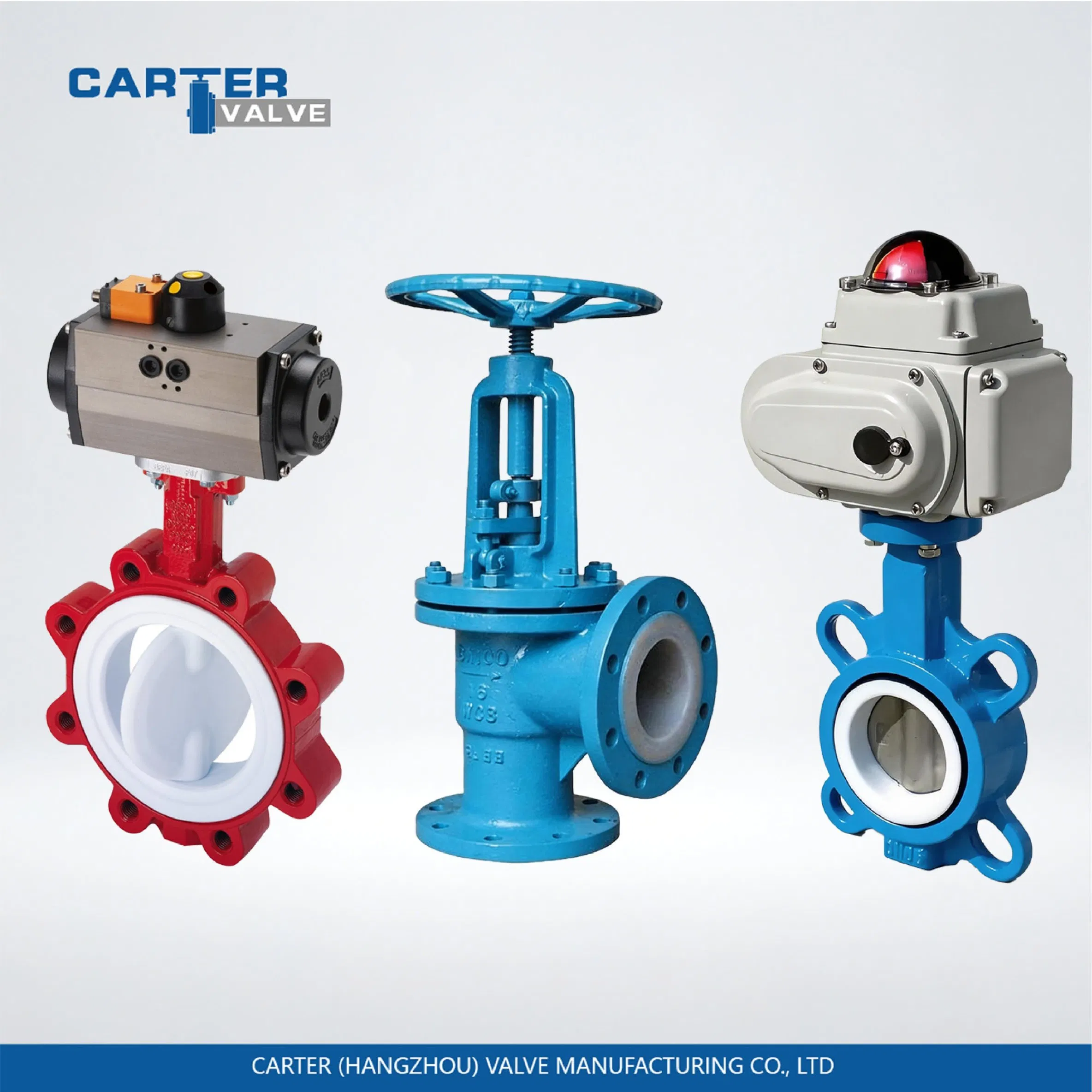
1 / 5
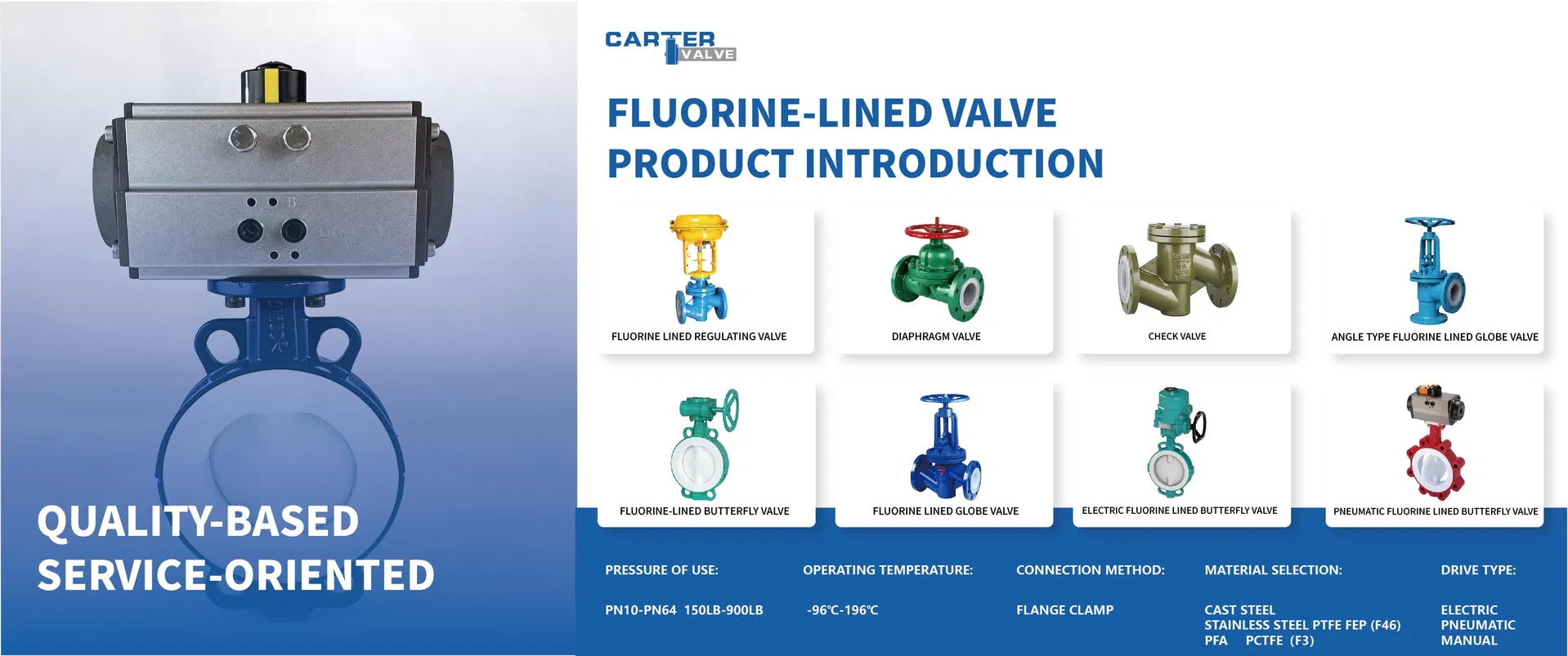
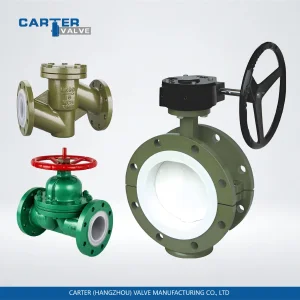
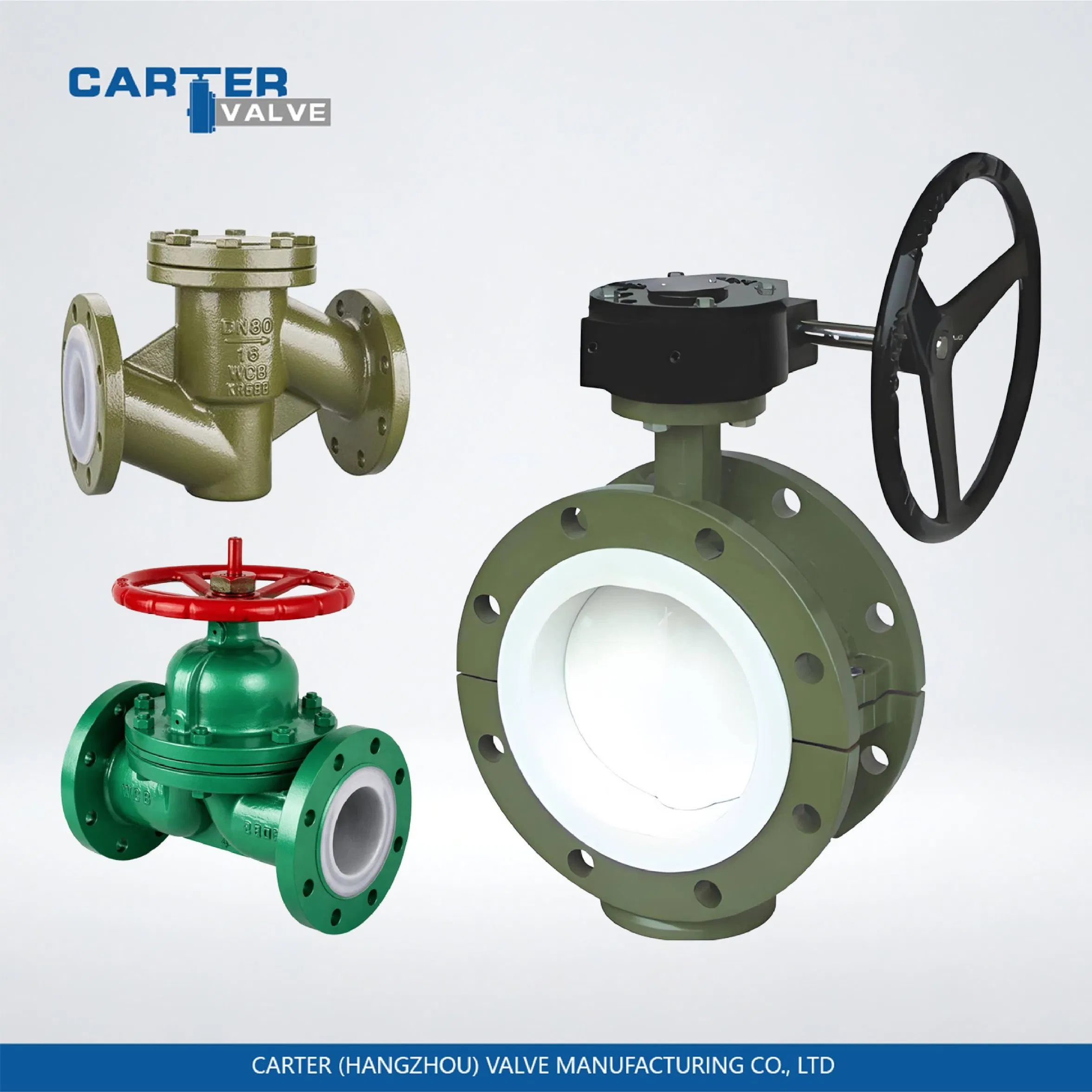
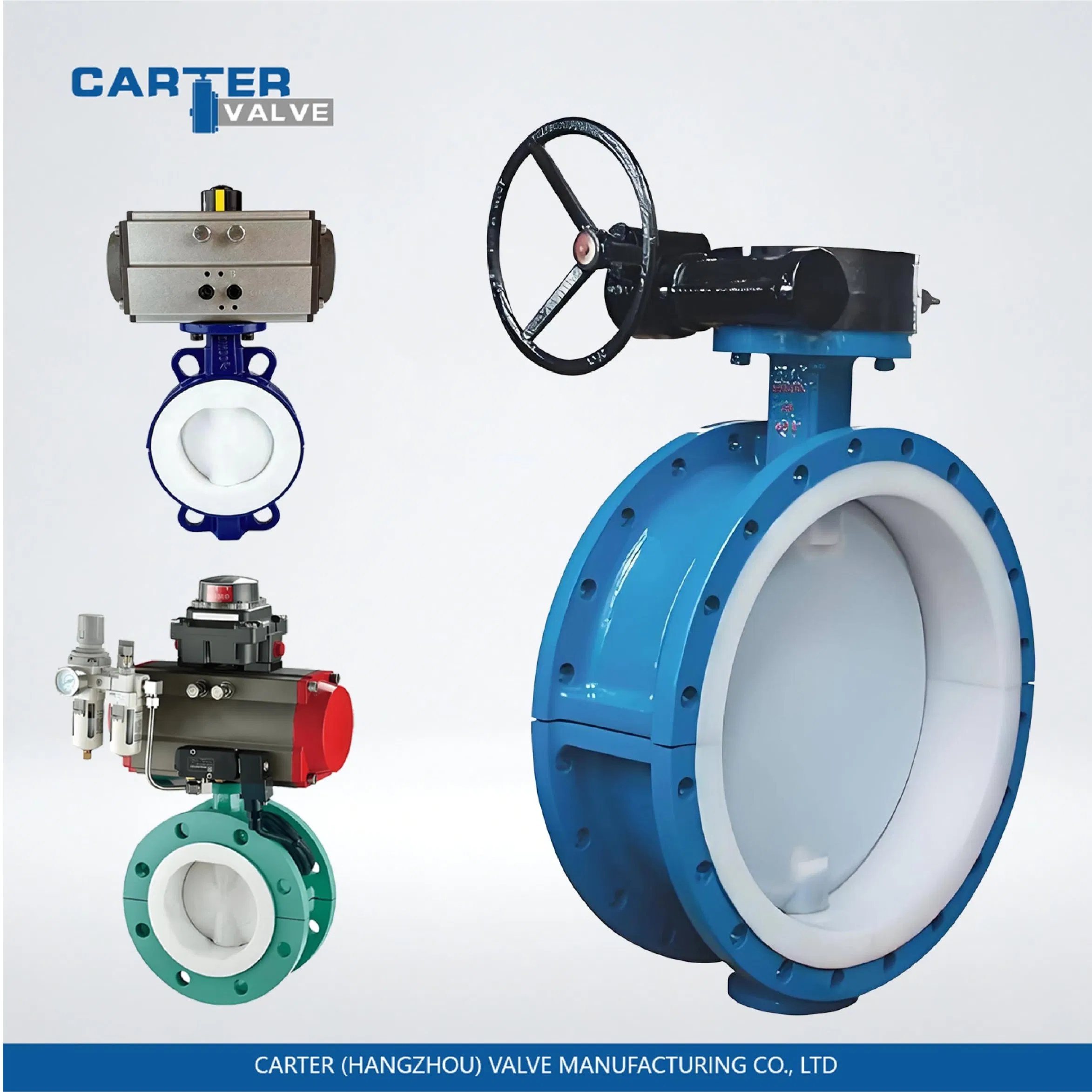
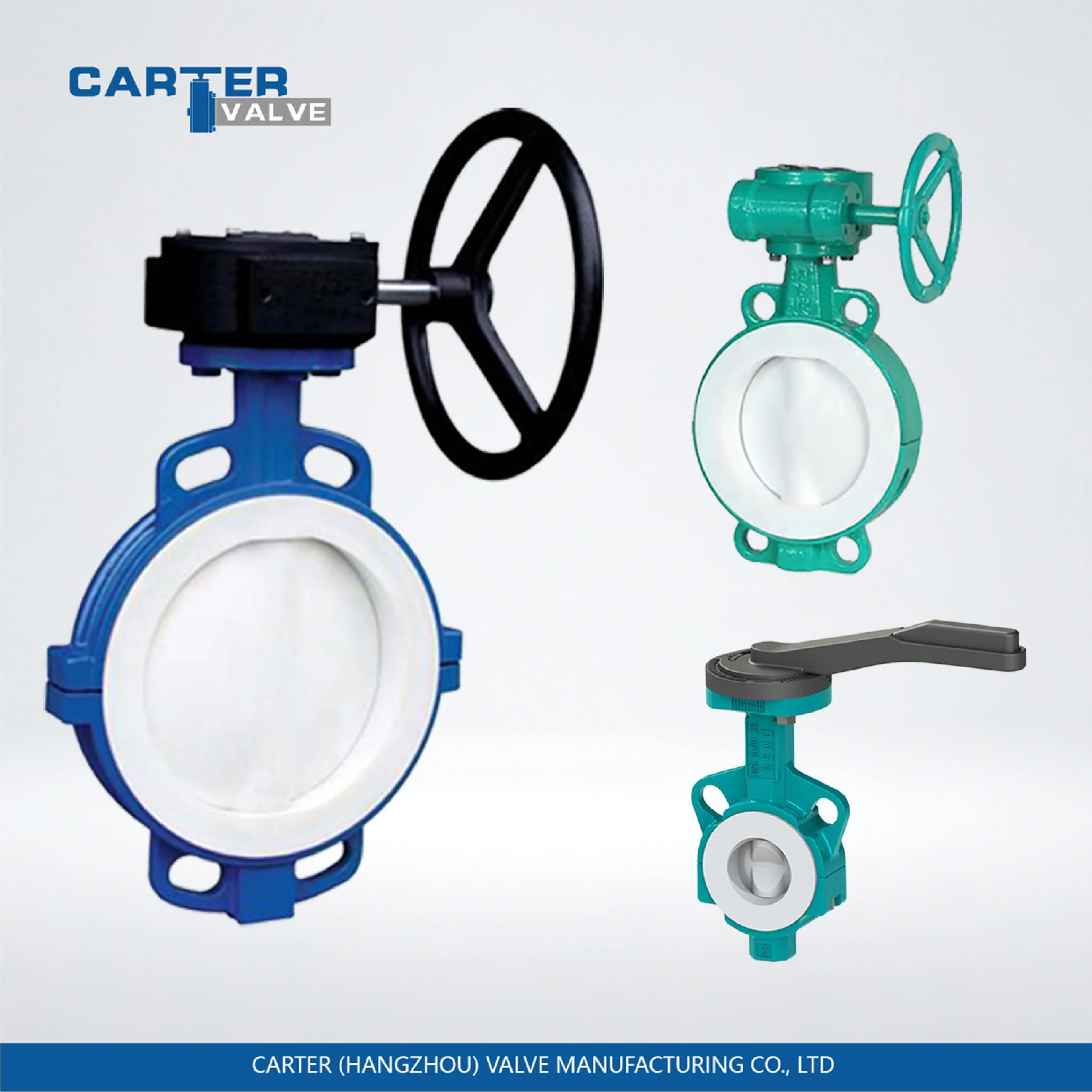
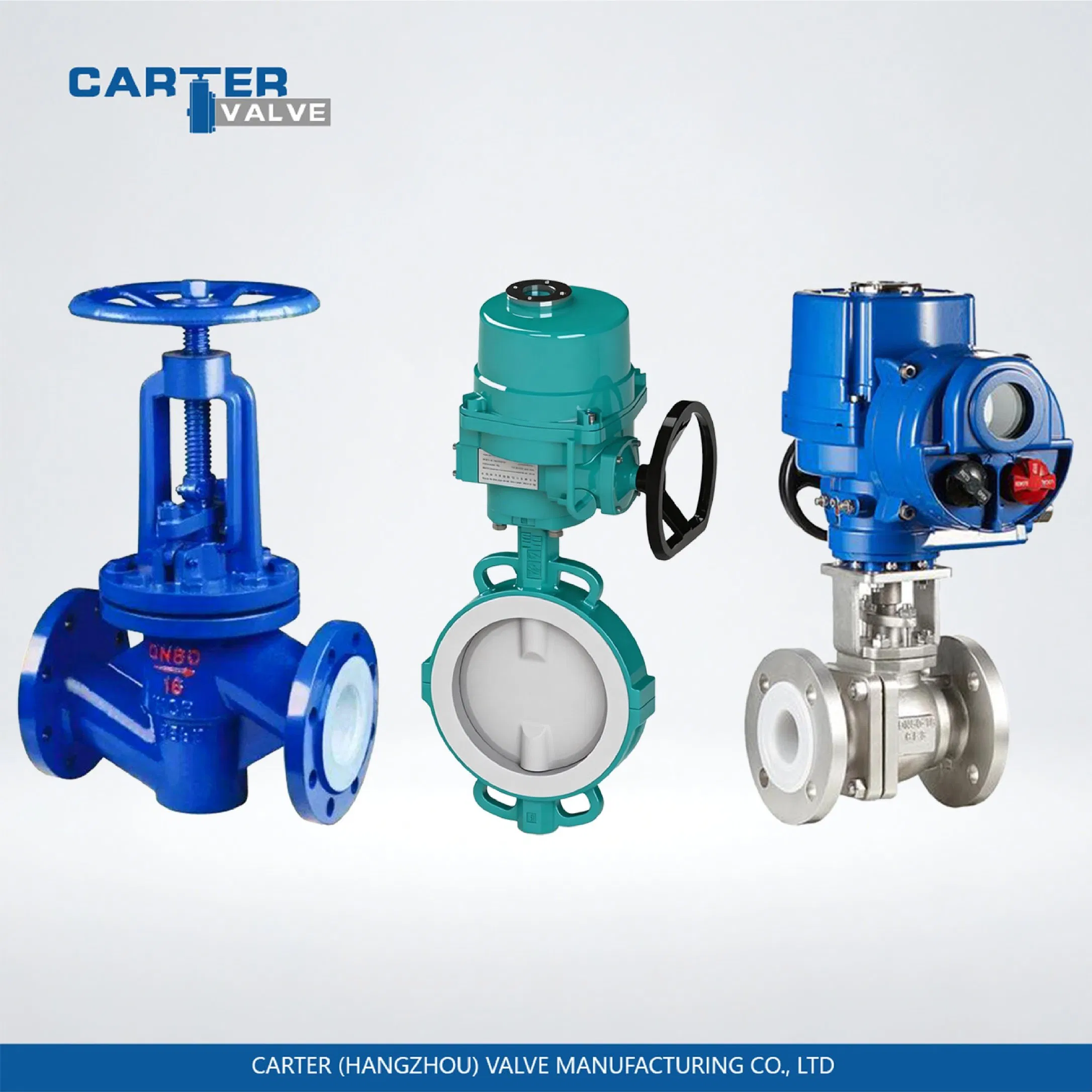
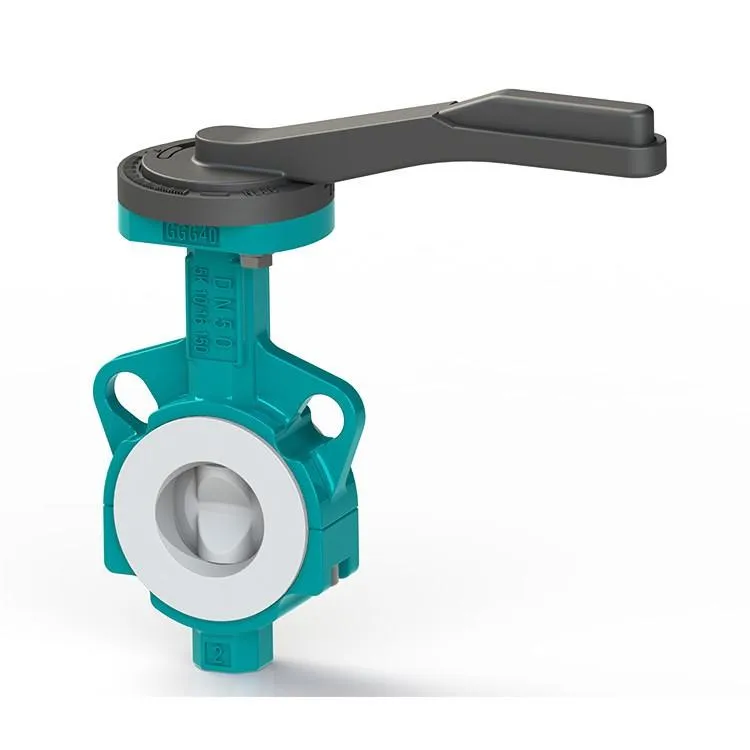
Fluorine-lined valves are composite anti-corrosion valves featuring metal outer casings combined with fluoroplastic linings. Manufactured through processes such as hot press fitting or inlay technology, they use PTFE (F4), FEP (F46), PFA and other fluoroplastic materials to line the valve body, core, and other critical wetted components. This design combines the mechanical strength of metal housings with the superior corrosion resistance of fluoroplastics, making them ideal for piping systems that transport strongly corrosive media.
| Nominal Diameter (DN) | 15~2000mm (Commonly used: DN15~DN500) |
| Nominal Pressure (PN) | Chinese Standard (GB): PN0.6, PN1.0, PN1.6, PN2.5 MPa American Standard (ASME): CLASS 150-600 LB |
| Applicable Temperature | PTFE (F4): -20℃ ~ 150℃ | FEP (F46): -50℃ ~ 150℃ | PFA: -80℃ ~ 260℃ |
| Design Standards | HG/T 3704, GB/T 12238 |
| Flange Standards | GB/T 9124, HG/T 20592, ASME B16.5 |
| Leakage Class | Class VI (Bubble-tight zero leakage) |
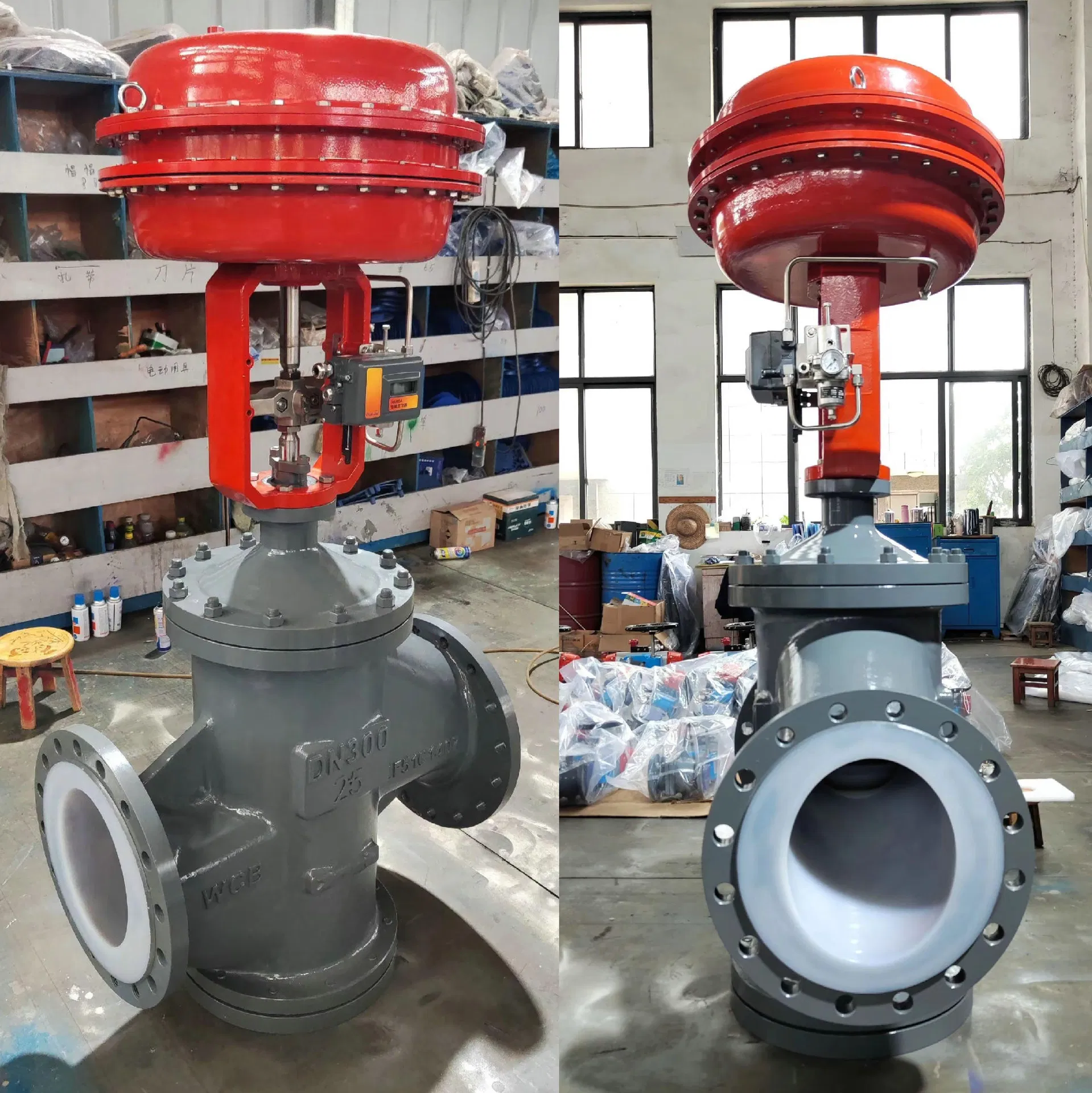
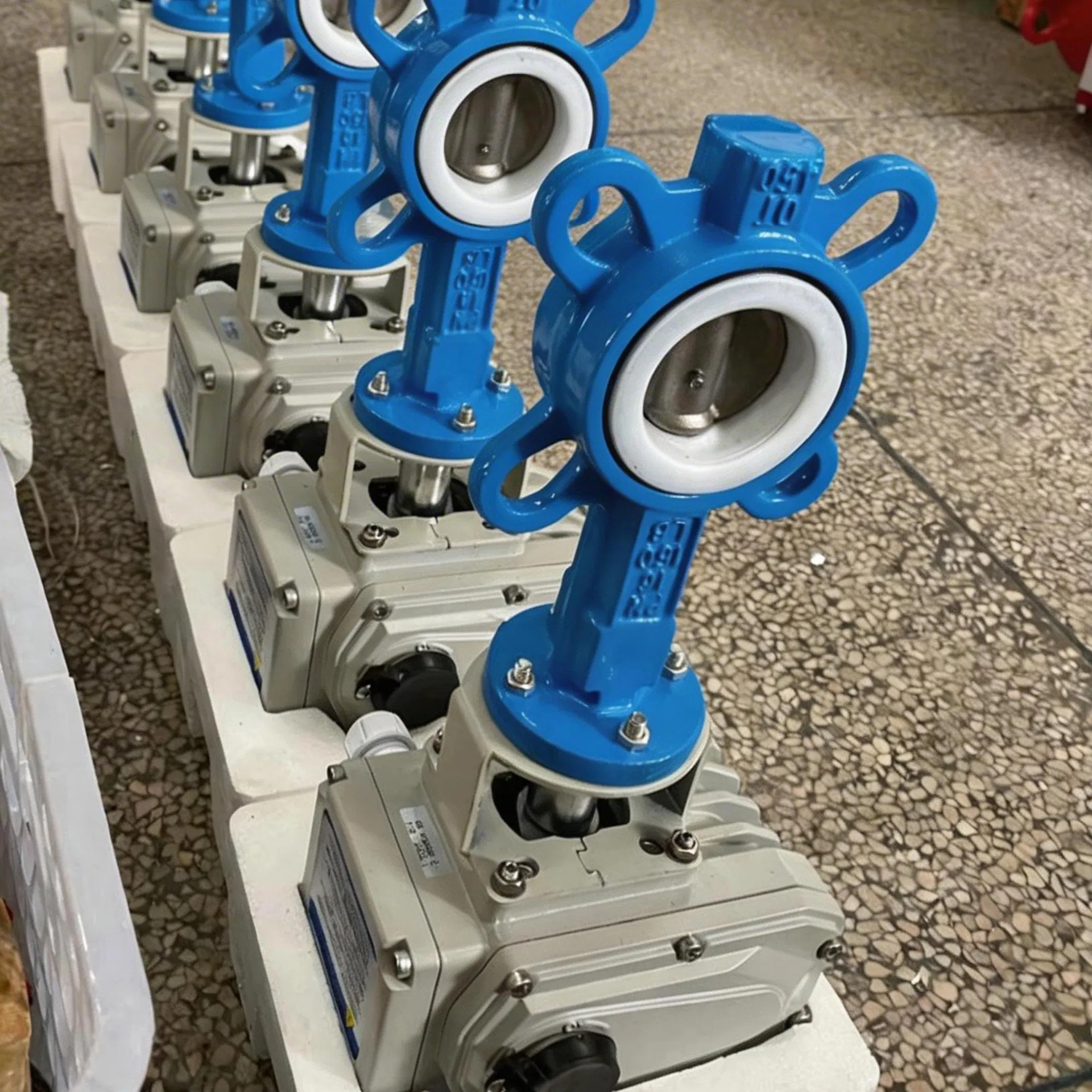
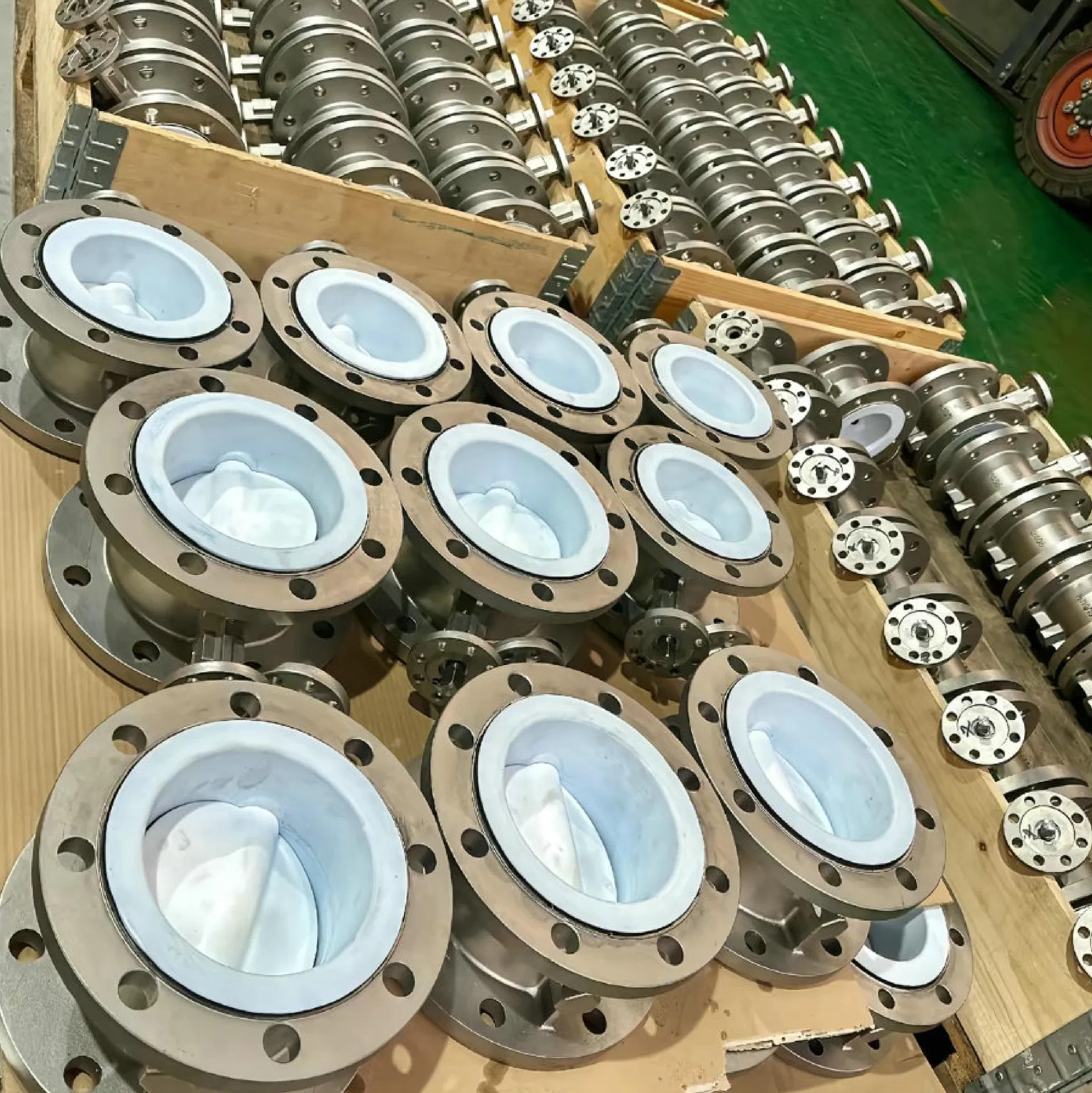
Valve Body (Pressure Parts):
Carbon Steel: WCB, Q235-B, 20# | Stainless Steel: CF8 (304), CF8M (316), CF3 (304L)
Lining & Sealing Materials (Core):
• PTFE (F4): Corrosion resistant, -20℃~150℃
• FEP (F46): Thermoformable, better toughness
• PFA: High temp to 260℃, high purity
• PCTFE (F3): Low temp to -195℃, high mechanical strength