Maria Valve
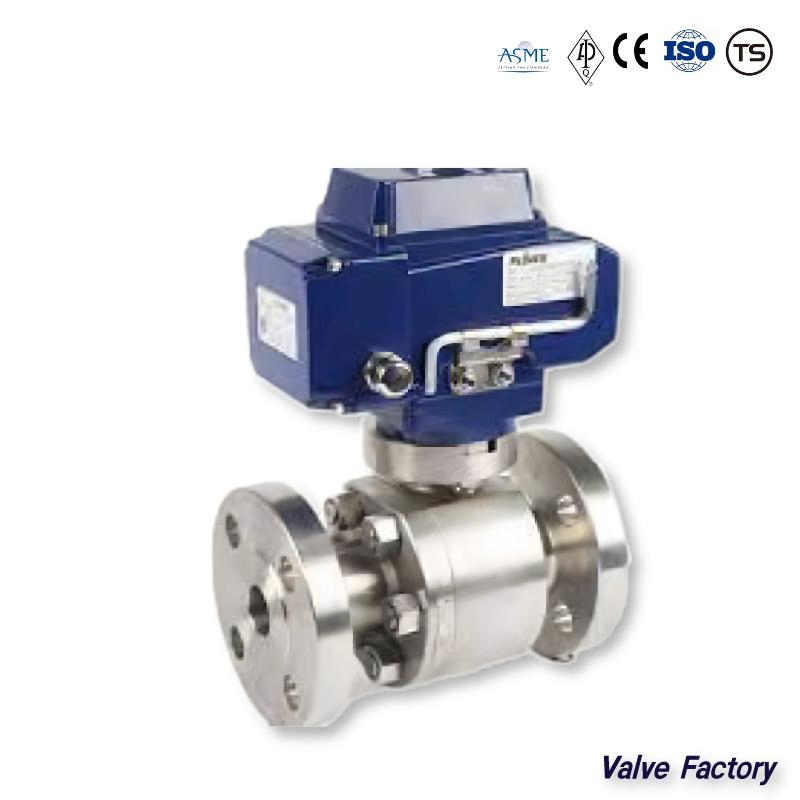
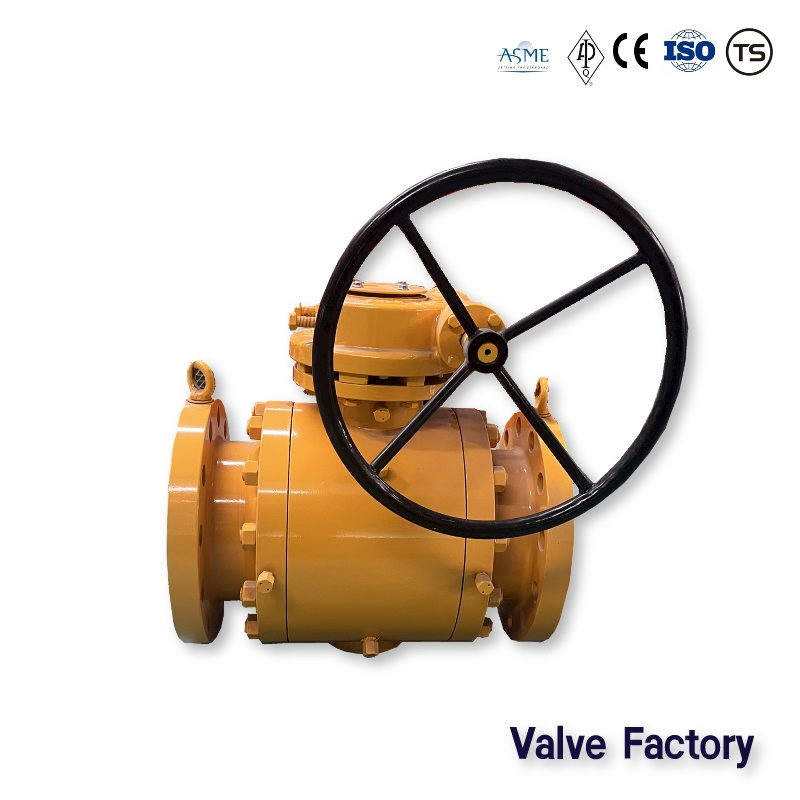
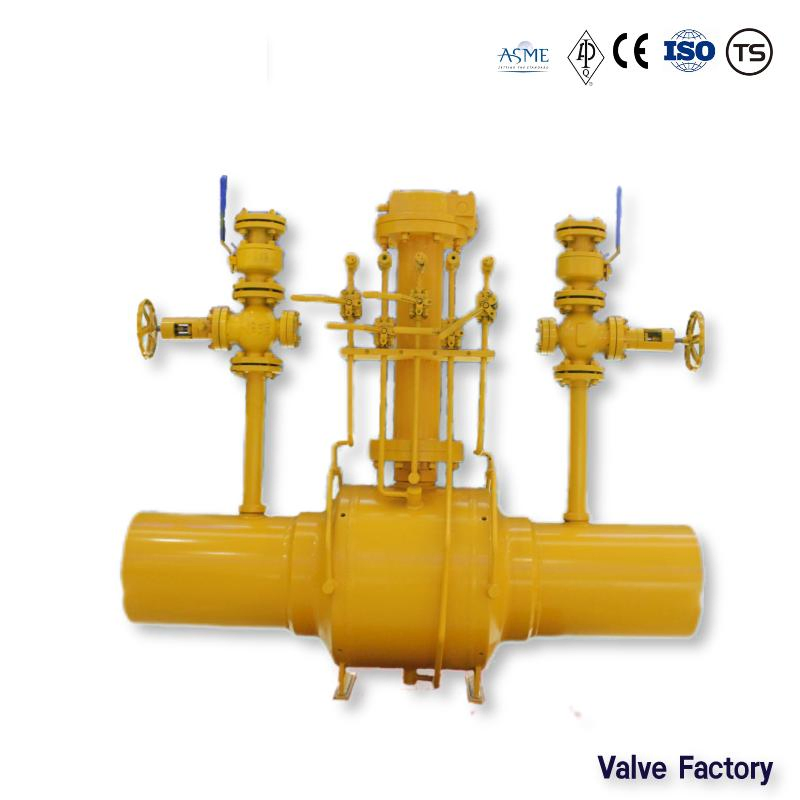
1 / 5

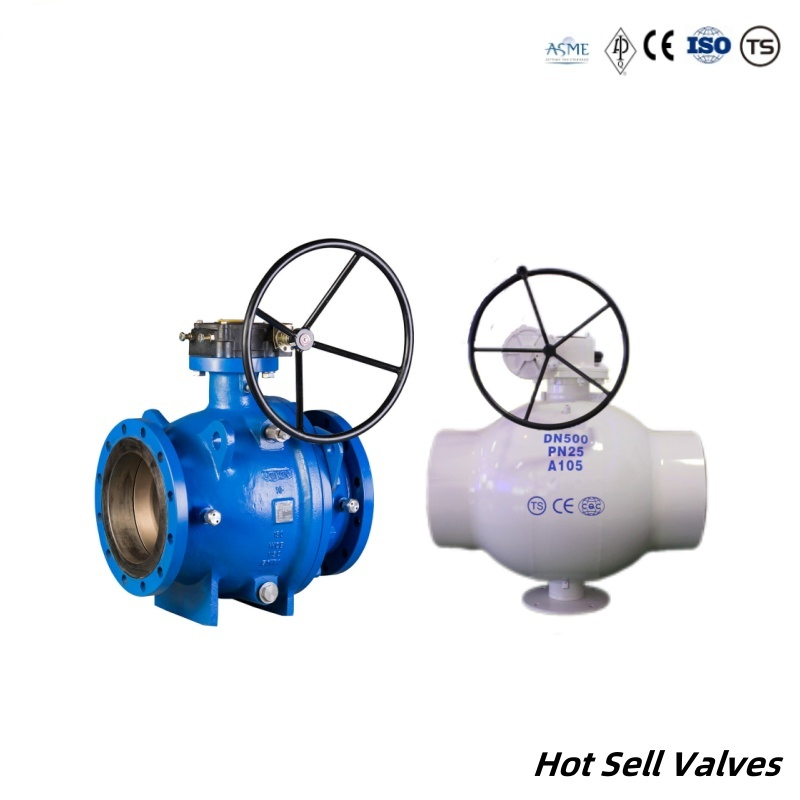
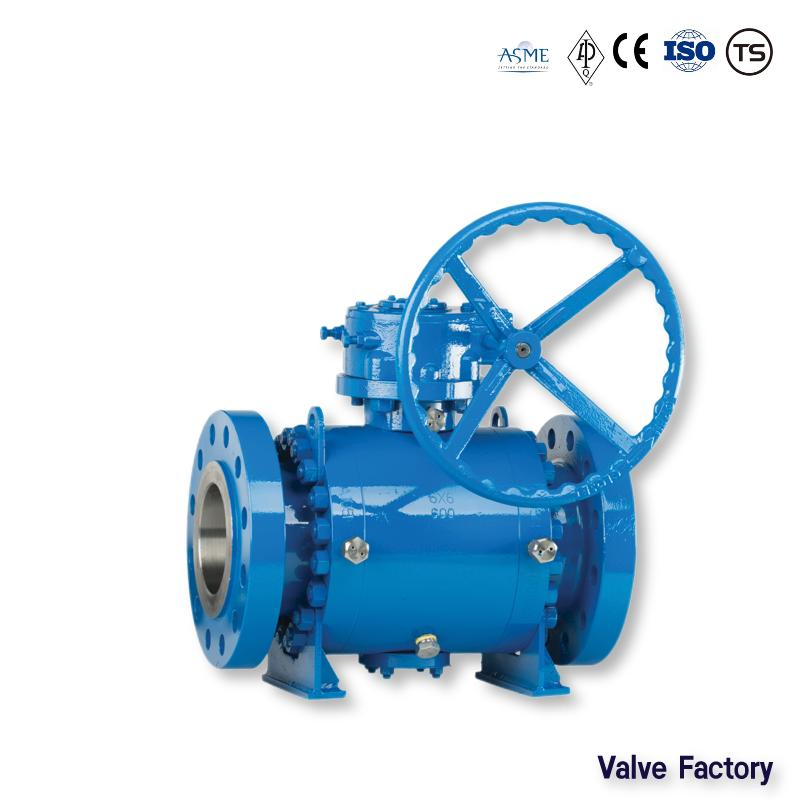
Customized services are available for all valve series, including ball valves, globe valves, check valves, gate valves, butterfly valves, safety valves, and control valves.
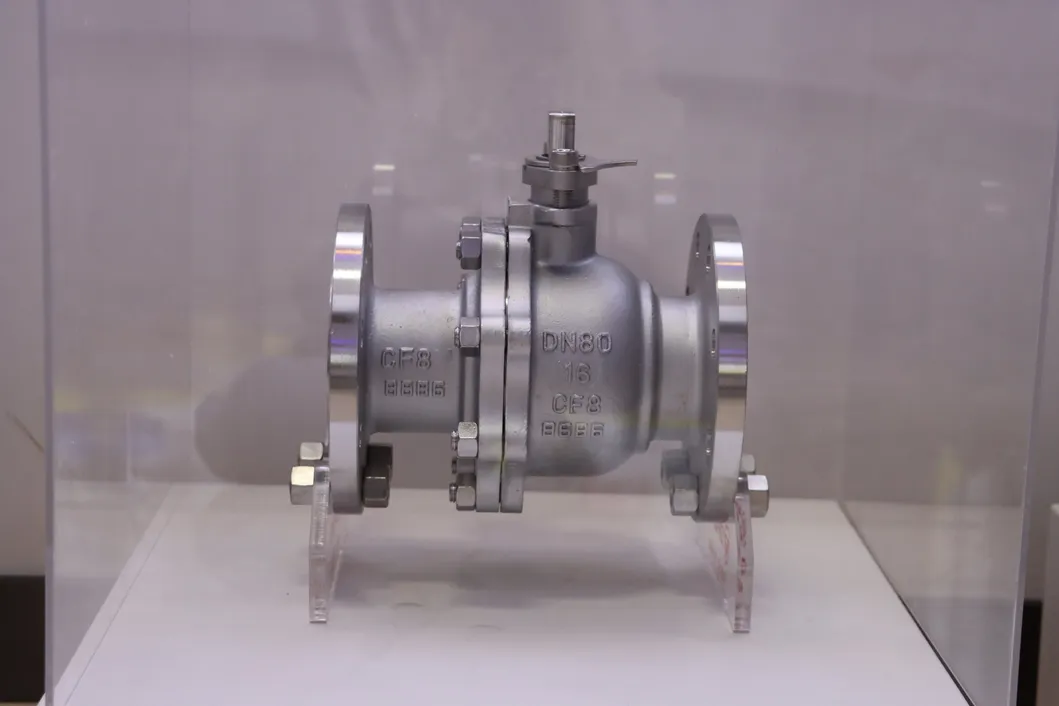
The most common types of manual ball valves are the 1-Piece, 2-Piece and 3-Piece. Another relatively common type is the 3-way ball valve; these 4 types account for the vast majority of the most often used valves.
A One-Piece has a valve body cast out of a single piece of material. This means there are no joints in the body which eliminates the risk of leaks. It has a smaller body than other valves, making it cost-effective. This results in a smaller ball and a reduced port, meaning the internal diameter decreases by one size at the installation point. Generally used where cleaning is not a primary concern.
A Two-Piece has a valve body cast out of two pieces that thread together. It allows for a larger ball and a full port, maintaining a constant internal diameter. They are highly commonly used and ideal for applications requiring optimal flow rates. The body can be dismantled for cleaning, though it requires removal from the pipe.
A Three-Piece valve body is held together by bolt connections at each end. It allows for a full port and is ideal for regular maintenance. By loosening bolts, the internal ball and seats can be accessed without removing the ends from the pipe, making it perfect for food, beverage, and pharmaceutical industries.
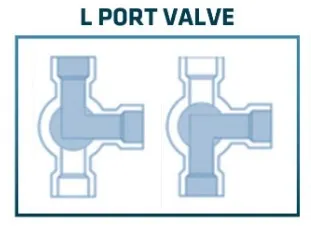
Multi-port valves used for mixing, splitting (T-Port), or diverting (L-Port) fluid streams via an L-shaped or T-shaped bore.
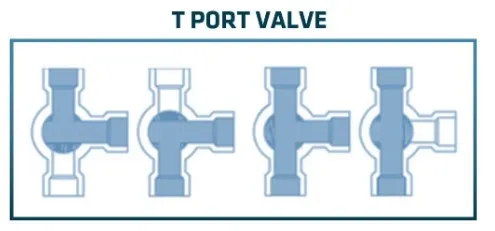


The ball valve operates by rotating the ball 90 degrees using a handle or actuator. When the hole aligns with the ports, the valve is open; when perpendicular, it is closed. High pressure industrial ball valves are designed to withstand conditions typically ranging from a few hundred to several thousand psi, using robust materials like stainless steel and carbon steel.

Commonly used in oil and gas, petrochemical, power generation, chemical processing, and water treatment. They offer quick operation, excellent sealing, minimal pressure drop, and extreme durability.
1. Design & Manufacture standard: GB/T-12237
2. Pressure & Temperature standard: GB/T13927-2008
3. Face-to-face dimension standard: GB/T-12221, JB/T-1686
4. Flange standard: GB/T-2592, JB/T-79.15. Test & Inspect stand: GB/T-13927, JB/T-9092
| Part Names | Part Materials | ||||||
|---|---|---|---|---|---|---|---|
| Body / Bonnet | WCB/A105 | LCB/LF2 | WC6/F22 | CF8/F304 | CF8M/F316 | CF3/F304L | CF3M/F316L |
| Ball | A105+ENP | SS304 | F22 | SS304 | SS316 | SS304L | SS316L |
| Stem | A105 | F304 | F6a | F304 | F316 | F304L | F316L |
| Seat Ring | PTFE/RPTFE/NYLON/DEVLON/PEEK or METAL | ||||||
| Packing | Graphite/PTFE | ||||||
| Suitable Medium | W.O.G etc. | HNO3, CH3OOH etc. | |||||
| Temperature | -29~425 °C | -46~340 °C | -46~340 °C | -196~427 °C | -196~427 °C | -196~427 °C | -196~427 °C |
| Size (in) | 2 | 3 | 4 | 6 | 8 | 10 | 12 | 14 | 16 | 20 | 24 |
| L(RF) mm | 178 | 203 | 229 | 394 | 457 | 533 | 610 | 686 | 762 | 914 | 1067 |
| H mm | 177 | 210 | 235 | 530 | 625 | 650 | 780 | 790 | 920 | 1100 | 1150 |