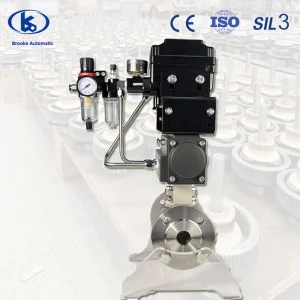
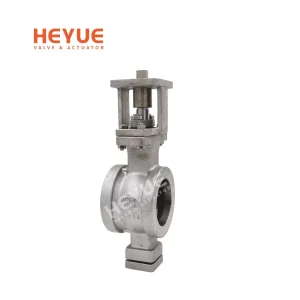
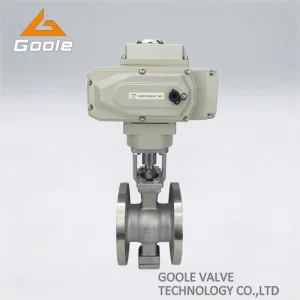
High-performance control and isolation valves optimized for Polish industrial standards and harsh process environments.
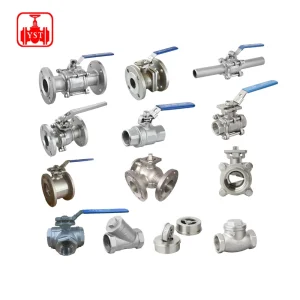
A comprehensive analysis of the Polish market's transition toward high-efficiency, low-emission valve technologies.
Poland has established itself as one of the most dynamic manufacturing and industrial hubs in Central and Eastern Europe. With major industrial zones in Upper Silesia, the petrochemical powerhouse in Płock, and key maritime logistics gateways in Gdańsk and Gdynia, the country requires robust infrastructure to support its growth. As Polish industries undergo modernization to align with the European Green Deal and stringent EU environmental directives, the demand for high-precision, low-emission flow control equipment has reached an all-time high.
Traditional gate and standard ball valves are increasingly proving inadequate for modern automated processes. Industries such as chemical processing (led by giants like Grupa Azoty), district heating (Ciepłownictwo), and pulp and paper production are shifting toward V-port segment ball valves. These specialized valves offer the dual benefits of precise throttling control and reliable bubble-tight shutoff, making them indispensable for modernizing Polish factories.
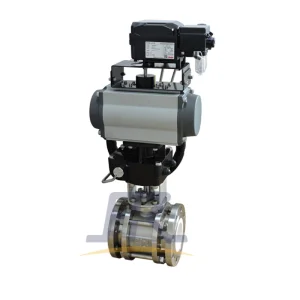
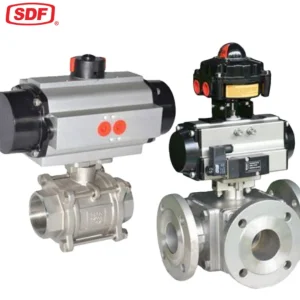
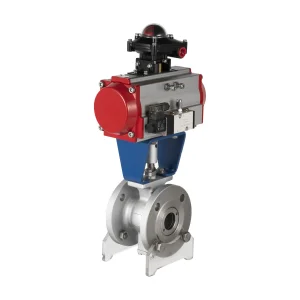
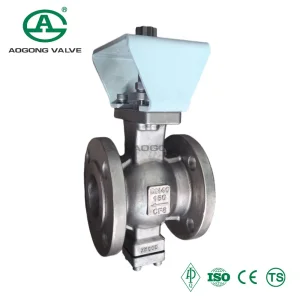
A ball segment valve (also known as a V-port segment valve) features a segmented ball with a specially designed V-notch. This design provides excellent control characteristics, combining the high flow capacity of a traditional ball valve with the precise control of a globe valve. When the segment rotates, it creates a shearing action against the seat, which easily cuts through fibers, slurries, and viscous media.
For Polish operators, this translates to reduced downtime, minimized cavitation risks, and lower maintenance costs. Whether handling abrasive coal slurries in Silesian power plants or controlling steam distribution in Warsaw's municipal heating networks, the ball segment valve stands out as the optimal choice for modern process automation.
To understand why the ball segment valve is superior for challenging applications, one must examine its engineering characteristics. Unlike standard full-bore ball valves, which are primarily designed for on-off service, the segment valve is engineered specifically for control. The V-shaped segment allows for an equal percentage flow characteristic, which matches the requirements of most process loops.
| Technical Parameter | Standard Specification | High-Performance / Custom Option |
|---|---|---|
| Size Range | DN25 to DN300 (1" to 12") | Up to DN1400 (56") for large pipelines |
| Pressure Rating | PN10, PN16, PN25, PN40 | ANSI Class 150/300/600, PN63, PN100 |
| Body Materials | WCB, CF8, CF8M (316 SS) | Duplex SS, Super Duplex, Hastelloy, Titanium |
| Seat Materials | PTFE, Devlon, Peek (Soft Seated) | Stellite-faced Metal, Tungsten Carbide Coating |
| Leakage Class | FCI 70-2 Class IV (Metal Seat) | FCI 70-2 Class VI (Soft Seat / Bubble Tight) |
How our segment valves solve specific engineering challenges across Poland's primary industrial sectors.
Poland operates some of the largest district heating networks in Europe, with Warsaw's network spanning over 1,000 km. These systems require precise temperature and pressure regulation of high-temperature water. Our motorized and pneumatic segment valves, featuring hard-sealed metal seats, handle thermal cycling and prevent cavitation, ensuring reliable heat distribution during harsh Polish winters.
With major mills located in Świecie, Kwidzyn, and Ostrołęka, Poland is a key European paper producer. The handling of wood pulp suspensions (stock prep, bleaching, and recycling) is notoriously tough on valves. The shearing action of our V-port segment valves cuts through fibers effortlessly, preventing dewatering and clogging in the pipeline.
From the refining complexes in Płock and Gdańsk to fertilizer production in Police and Puławy, Polish chemical plants process highly corrosive and abrasive media. Our stainless steel (CF8M) and ceramic-lined segment valves offer superior chemical resistance and erosion protection, complying with strict European fugitive emission standards (ISO 15848-1).
Zhejiang Maria Valve Co., Ltd. — Your Trusted Partner for Global Process Control Solutions.
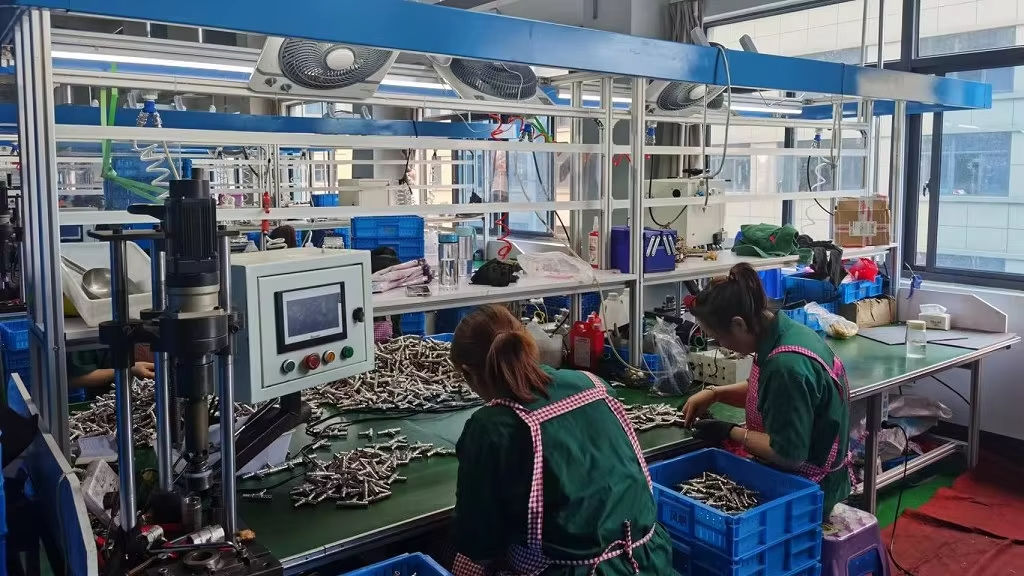
Since its establishment, Zhejiang Maria Valve Co., Ltd. has specialized in manufacturing a wide range of industrial valves, serving key sectors such as petroleum, steel, power generation, chemical, and water treatment. Leveraging years of experience and advanced engineering technology, we have consistently delivered high-quality, reliable valves to clients worldwide.
Founded with a commitment to innovation and excellence, Zhejiang Maria Valve has become a trusted supplier for global process control solutions, offering products that meet rigorous international standards. Our engineering team works closely with European distributors and end-users to deliver customized flow control solutions tailored to specific regional requirements, including the demanding Polish industrial market.
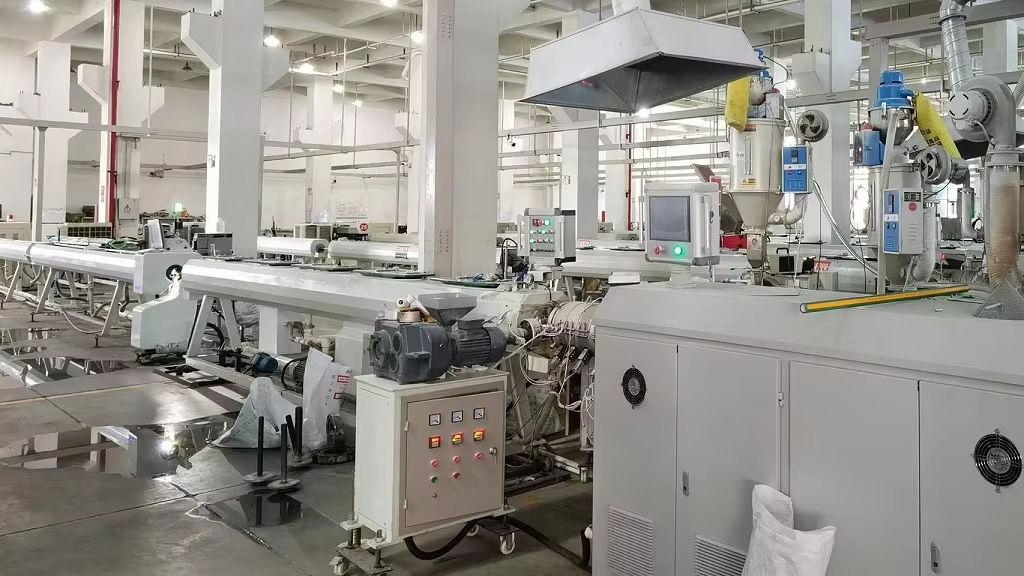
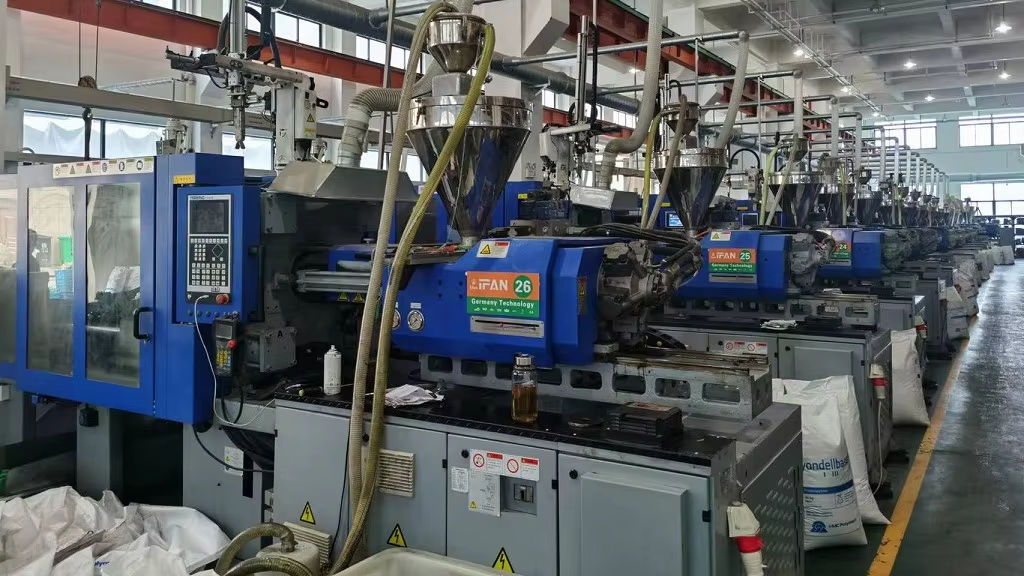
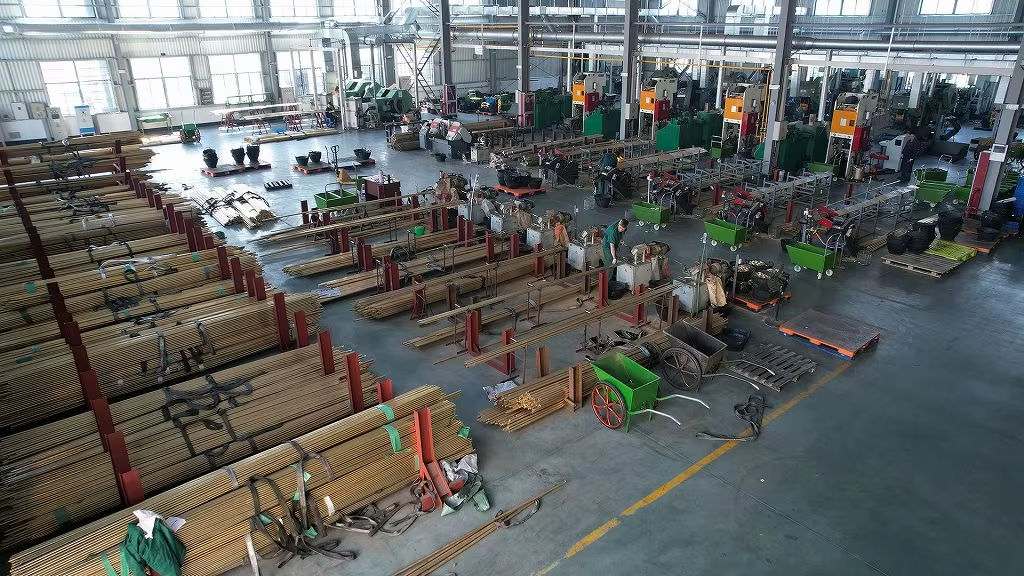
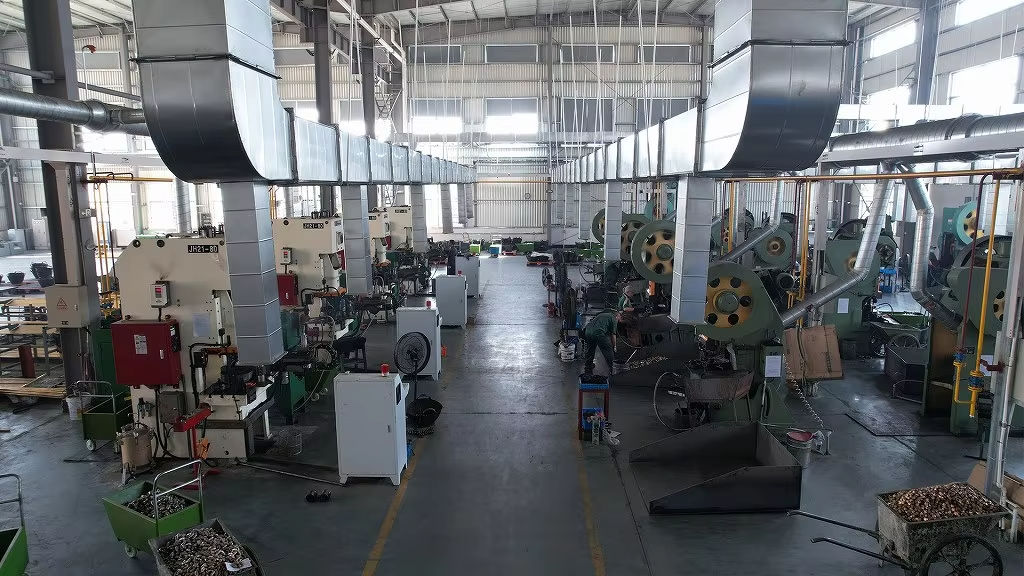
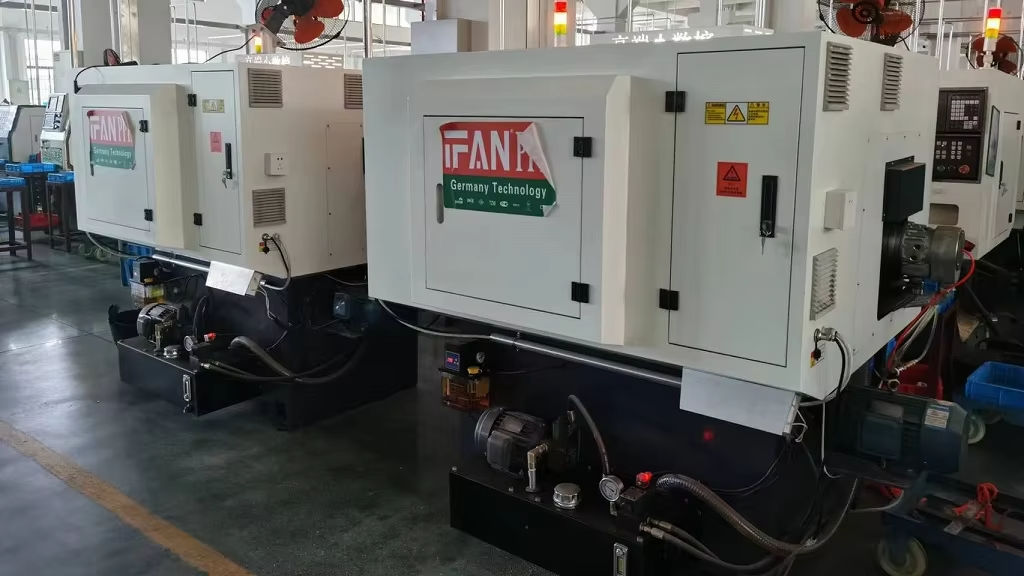
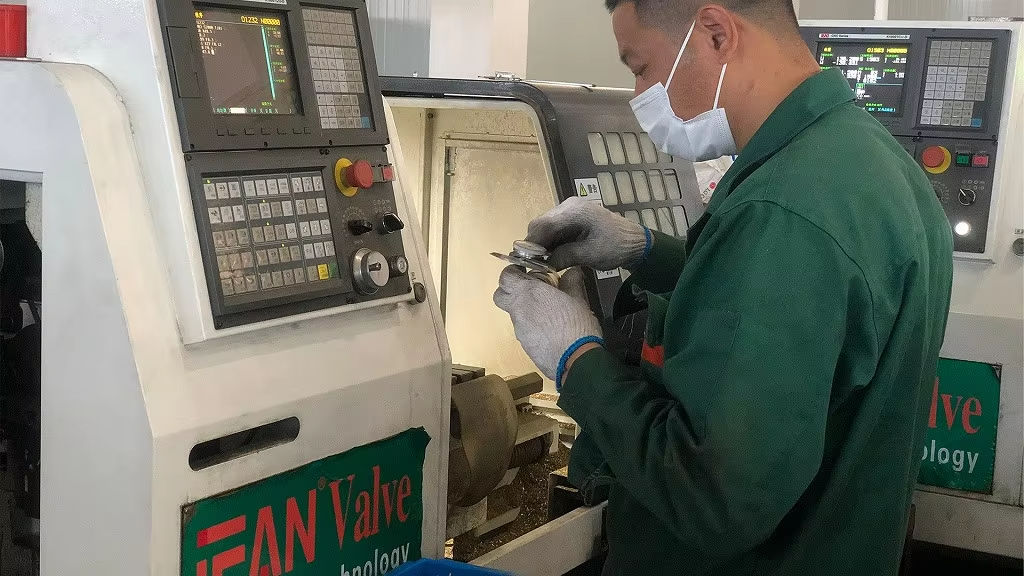
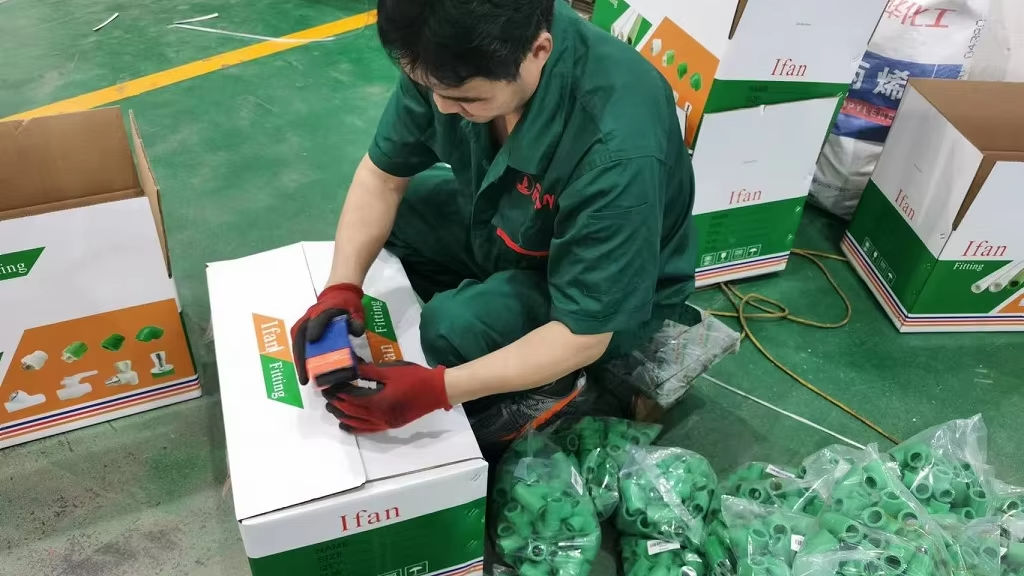
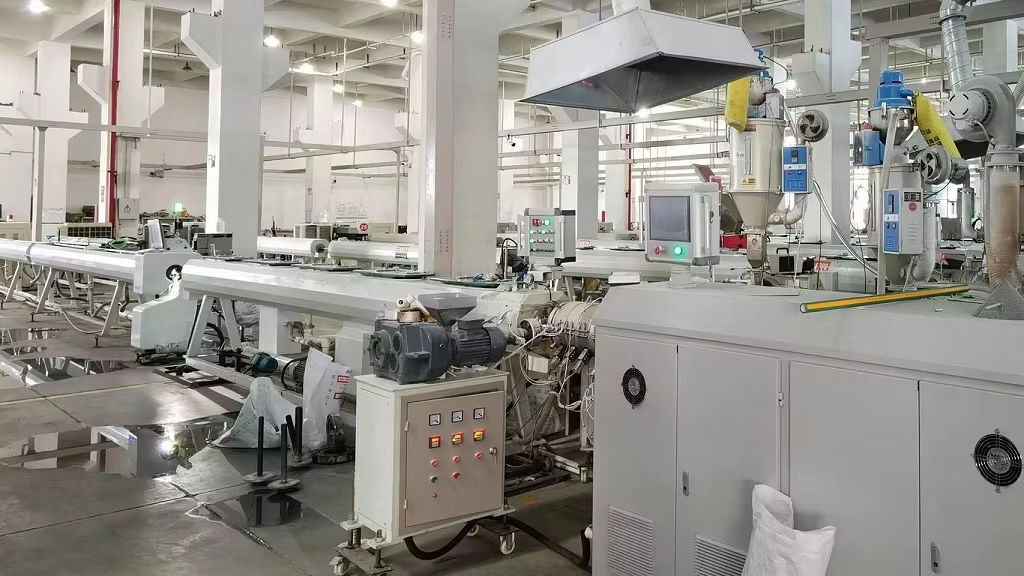
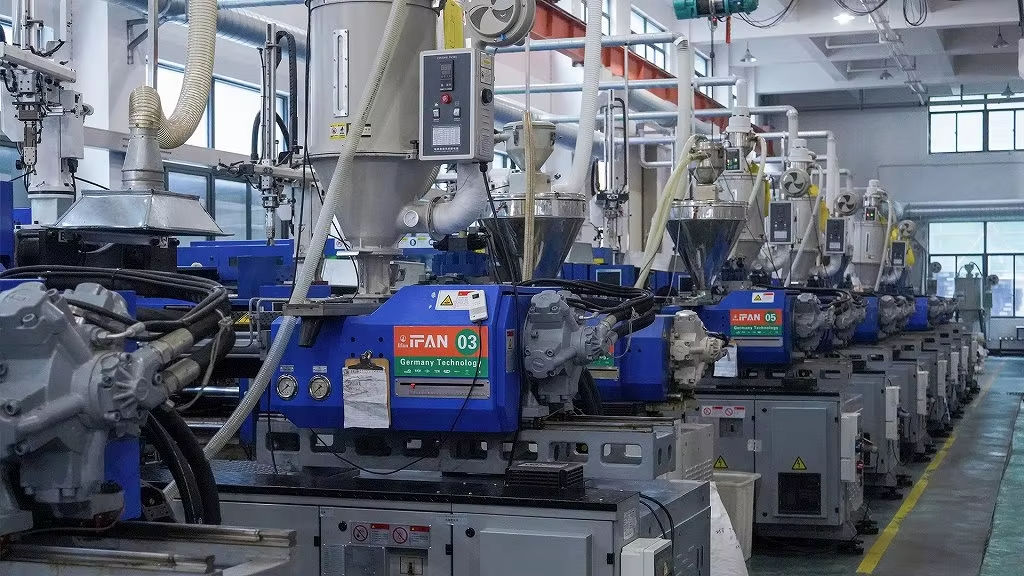
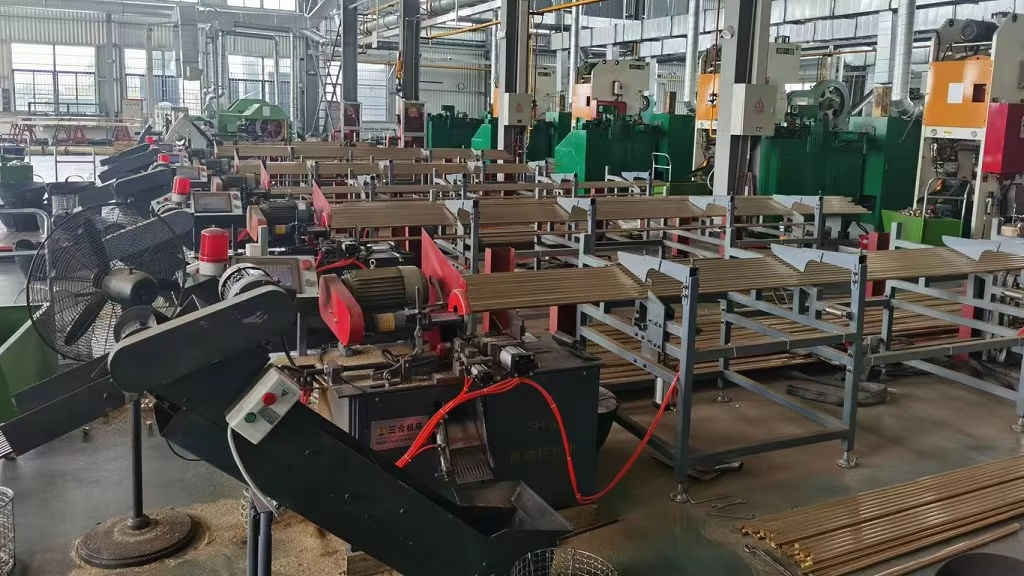
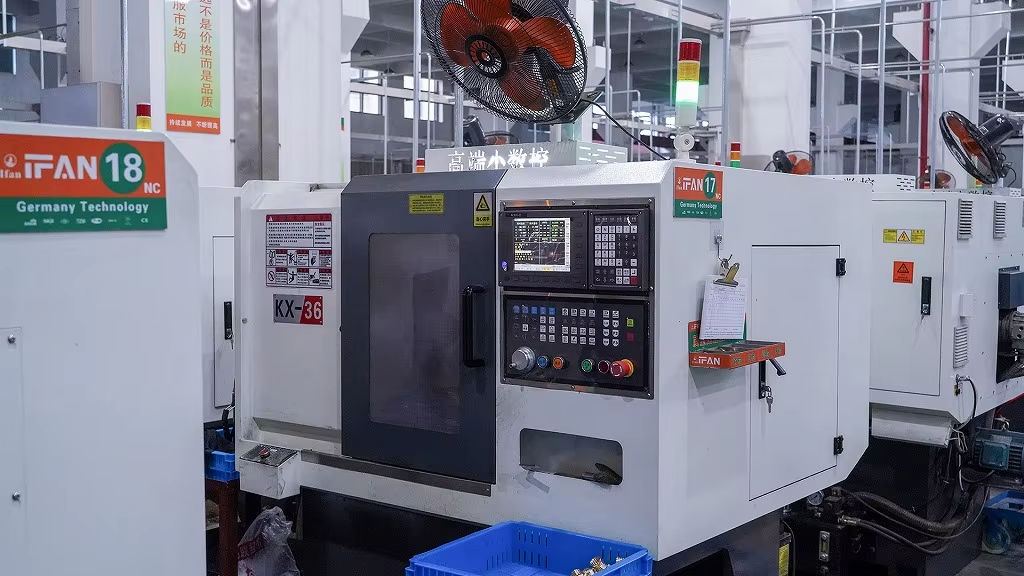
Discover our comprehensive manufacturing capabilities, from raw materials to final pressure testing.
Zhejiang Maria Valve Co., Ltd. provides a comprehensive range of valves, including control valves, ball valves, butterfly valves, gate valves, and custom-designed specialty valves for industrial applications. As one of the pioneers in China’s valve manufacturing industry, we have contributed to advancing control valve technology and elevating product standards across the market.
Since 2003, our company has been dedicated to the development, design, and production of high-performance valves for pipeline and instrumentation control systems in process plants. We focus on combining cutting-edge technology with practical engineering solutions to ensure efficiency, safety, and long-term reliability.
At Zhejiang Maria Valve, we continuously strive to:
With a strong foundation in technology, engineering expertise, and global market experience, Zhejiang Maria Valve is a dynamic, innovative, and customer-focused company. We are committed to helping our clients maintain operational excellence and a competitive edge in global markets.
How we are preparing our flow control solutions for the next generation of industrial automation.
As industrial processes become more extreme, standard metals face rapid degradation. Our R&D department is focusing on advanced surface hardening technologies, such as High-Velocity Oxygen Fuel (HVOF) thermal spraying of Tungsten Carbide and Chromium Carbide. These coatings extend the lifespan of segment valves in abrasive environments (such as coal gasification or mineral processing in Poland) by up to 300%.
Furthermore, we are expanding our production of Duplex and Super Duplex stainless steel valves to meet the demands of the Baltic marine and offshore sectors, ensuring long-term resistance to chloride-induced stress corrosion cracking.
The future of flow control lies in digitalization. We are integrating our pneumatic and electric actuators with smart positioners supporting HART, Profibus, and RS485 Modbus communication protocols. This allows Polish plant operators to monitor valve performance, packing wear, and cycle counts in real-time, enabling predictive maintenance and preventing unscheduled shutdowns.
By aligning our product roadmap with the digital transformation of Polish manufacturing, we ensure that our clients invest in future-proof technology.
Expert answers to common technical queries regarding ball segment valves and their application in the Polish market.
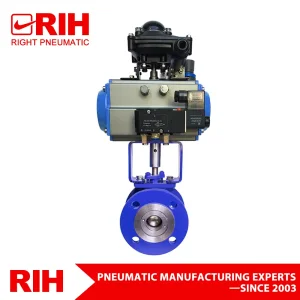
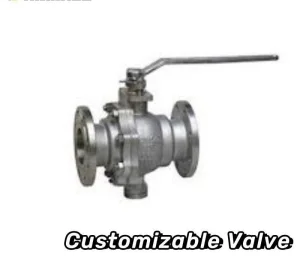
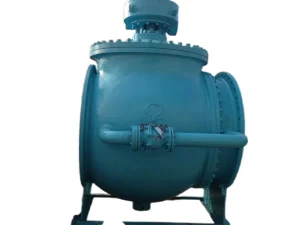
Explore our full range of high-performance valves, engineered for reliability and long-term service.
Contact our engineering team today to receive a customized technical proposal and quotation for your project in Poland.
Send Inquiry Now Maria Valve