Top 10 Check Valve Types How Do They Prevent Backflow?

Time:2026-10-16 Author:Sophia
0%

Backflow can quietly damage a piping system. It can also contaminate clean water, reverse pump rotation, or create sudden pressure shocks. This is why understanding how does a check valve prevent backflow matters in homes, process plants, and municipal networks.

Valve engineer Richard W. Greene has described the basic principle clearly: “A check valve permits flow in one direction and prevents reverse flow.” That simple action depends on internal movement. When forward pressure rises, the disc, ball, piston, or flap moves away from its seat. Fluid passes through the valve body. When pressure falls or reverses, the closing element returns to its seat. The passage becomes sealed.

The mechanism sounds simple. Real systems are not.

Different check valve types respond differently to flow speed, pressure changes, installation position, and fluid thickness. A swing check valve uses a hinged disc and needs enough space for movement. A spring-loaded check valve can close faster, helping reduce reverse flow. A lift check valve offers reliable sealing, but it usually requires suitable orientation and pressure conditions.

This guide examines the top 10 check valve types and their backflow-prevention methods. It considers practical details, including water hammer, leakage, maintenance access, and incorrect installation. A valve may be correctly selected yet still fail prematurely. Dirt on the seat is one common reason. So is installing the valve backward.

Small details matter. Always check the flow arrow. Always verify operating conditions.
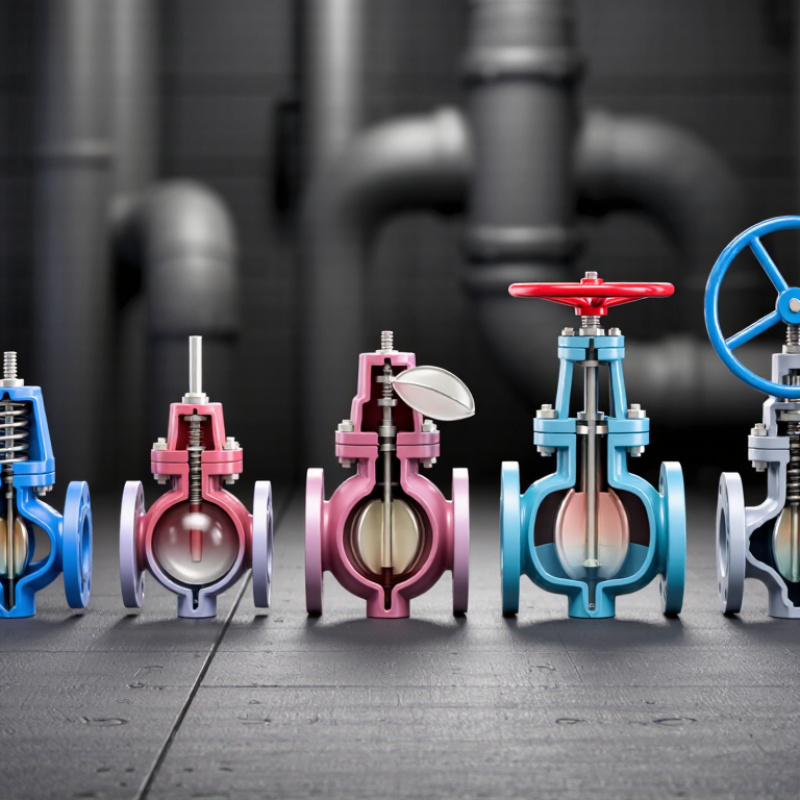
Top 10 Check Valve Types How Do They Prevent Backflow?

What a Check Valve Is and Why Backflow Prevention Matters

A check valve is a one-way device that allows fluid to move forward and blocks reverse flow. It works automatically, without a handwheel or control signal. When forward pressure opens the valve, a disc, ball, piston, or plate moves aside. If pressure reverses, the closing element returns to its seat. Simple, but not foolproof.

Backflow can contaminate clean water, damage pumps, empty pipelines, or create dangerous pressure surges. Common designs include swing, lift, spring, ball, wafer, and dual-plate check valves. Each type suits different flow speeds, installation positions, and pressure conditions. A spring-loaded valve may close quickly, while a swing valve can offer lower resistance. Field inspections often reveal a basic issue: the right valve was installed in the wrong orientation. Small mistake. Large consequence.

Tips: Match the valve material, pressure rating, temperature range, and fluid type before installation. Check the arrow on the body. Keep the seat clean and inspect for worn sealing surfaces. Slow-closing designs may reduce water hammer, but they can respond too slowly for some systems. No valve is perfect. Engineers should review actual operating conditions, not rely only on catalog descriptions. Even a correctly sized valve may fail when debris, vibration, or repeated cycling is ignored.

How Check Valves Detect and Stop Reverse Flow

Check valves prevent backflow by responding to pressure changes inside a pipeline. They do not usually “sense” flow electronically. Instead, they rely on fluid force, gravity, springs, or a weighted mechanism.

When upstream pressure exceeds downstream pressure, the valve opens. A swing disc moves aside, while a lift disc rises from its seat. Ball, piston, diaphragm, wafer, dual-plate, and foot check valves use similar pressure principles. Each design suits different conditions. A spring-loaded valve can close quickly when flow reverses. A swing valve may handle larger pipelines with lower pressure loss. The closing response matters.

Reverse flow changes the pressure balance. The downstream pressure pushes the closing element toward its seat. Once sealed, the valve blocks water, air, chemicals, or other process fluids from moving backward. Some valves close gently. Others may slam shut and create water hammer, a sharp pressure surge that can damage pipes and supports.

Installation affects performance more than many people expect. Incorrect flow direction, dirty seats, weak springs, and poor sizing can cause leakage. During inspections, technicians should check for vibration, unusual noise, and pressure instability. A valve may appear functional while allowing a small reverse flow. That detail is easy to miss. No check valve is perfect, and fast closure is not always better. Engineers must balance backflow protection, pressure loss, maintenance access, and system speed.

Top 10 Check Valve Types: How Do They Prevent Backflow? — How Check Valves Detect and Stop Reverse Flow

No. Check Valve Type How It Detects Reverse Flow How It Stops Backflow Typical Installation Main Advantages Common Limitations Typical Applications
1 Swing Check Valve The disc responds to the pressure difference between the inlet and outlet. A reduction in forward flow or a developing reverse-flow condition allows the disc to move toward the seat. A hinged disc swings onto the seat under reverse pressure, gravity, and sometimes an external weight or lever. Usually installed in horizontal pipelines; some designs permit vertical upward flow. Simple construction, low pressure loss, and suitability for relatively large pipe sizes. May slam during sudden flow reversal and can be sensitive to turbulence or pulsating flow. Water systems, wastewater lines, pumping stations, and process piping.
2 Lift Check Valve When outlet pressure becomes higher than inlet pressure, the pressure differential removes the upward lifting force acting on the closure element. A guided disc or piston is forced downward onto a stationary seat by reverse pressure and gravity. Commonly used in horizontal lines; some configurations are suitable for vertical upward flow. Good sealing performance and effective control in clean, high-pressure services. Higher pressure drop than many swing designs; generally unsuitable for dirty or highly viscous fluids. Steam, gas, compressed air, and clean liquid process systems.
3 Piston Check Valve The piston position changes as the pressure differential changes. Reverse pressure pushes the piston toward the sealing surface. A guided piston closes against a seat; damping from the body and fluid can help reduce rapid closure. Normally installed in horizontal piping, with orientation determined by the manufacturer’s design. Reliable guidance, strong sealing, and better resistance to disc flutter than some un guided designs. Can create relatively high pressure loss and may require clean fluid to prevent piston sticking. High-pressure liquid and gas lines, refinery services, and process equipment piping.
4 Ball Check Valve A floating or spring-assisted ball reacts to the pressure differential. Reverse pressure drives the ball toward the seat. The ball blocks the flow passage by seating against a circular or conical sealing surface. Often installed in horizontal or vertical lines, depending on the ball design and required flow direction. Compact, simple, and available with full-flow or reduced-flow passages. The ball may wear, stick, or fail to seat properly when solids or deposits accumulate. Water, wastewater, chemical dosing, pumps, and low-to-medium pressure services.
5 Diaphragm Check Valve The flexible diaphragm deflects under forward pressure and returns toward the seat when forward pressure falls or reverse pressure develops. The diaphragm seals against the valve seat, preventing the fluid from traveling upstream. Suitable for horizontal or vertical installation when the flow direction is correctly observed. No sliding metal parts in the flow path, low leakage potential, and compatibility with some corrosive or sanitary fluids. Diaphragm materials can be affected by temperature, chemicals, pressure, and repeated flexing. Chemical handling, metering systems, laboratories, and hygienic process equipment.
6 Dual-Plate Wafer Check Valve Two plates open when forward pressure exceeds the spring force and close when forward pressure decreases or reverse pressure begins. Spring-loaded plates rotate toward the centerline and seal against the valve body or seat. Installed between pipe flanges in horizontal or approved vertical configurations. Short face-to-face length, low weight, compact design, and relatively fast closure. Requires correct flow velocity and alignment; spring and plate components may be vulnerable to abrasive service. Water, air, hydrocarbons, cooling systems, and space-constrained pipelines.
7 Tilting-Disc Check Valve The disc angle changes with flow velocity and pressure differential. A falling forward-flow force allows the disc to move toward the closed position. A disc mounted on an offset pivot tilts back onto the seat before or as reverse flow develops. Commonly used in large-diameter horizontal pipelines; some designs support vertical service. Reduced slam potential, relatively low pressure drop, and suitability for large flow capacities. More complex and typically more expensive than basic swing designs; performance depends on correct sizing. Large water lines, cooling-water systems, power facilities, and industrial process piping.
8 Spring-Loaded Inline Check Valve The valve opens only when inlet pressure exceeds outlet pressure by the spring’s cracking-pressure requirement. Reverse pressure removes the opening differential. A spring pushes a poppet, disc, or plunger onto the seat, producing rapid automatic closure. Can often be installed in any orientation if the selected model allows it and the flow arrow is followed. Fast response, compact dimensions, and predictable cracking pressure. The spring creates pressure loss and may require a minimum pressure differential to open fully. Instrumentation, compressors, pumps, gas lines, and hydraulic circuits.
9 Foot Valve The valve closes when the pump stops or the pressure in the suction line reverses, using a disc, ball, or poppet mechanism. A check mechanism blocks the inlet and retains liquid in the suction pipe, helping maintain pump prime. Installed at the lower end of a pump suction pipe, usually submerged in a tank, well, or reservoir. Prevents drain-back and protects pumps from losing prime during shutdown. Can become clogged by debris; its inlet screen and valve mechanism require inspection and cleaning. Well pumps, irrigation, water-transfer systems, and tank-filling installations.
10 Duckbill Check Valve Forward pressure opens the flexible sleeve, while zero flow or reverse pressure removes the internal opening force. The elastomeric sleeve closes along its slit or opening, forming a seal that resists reverse flow. Installed at pipe outlets, discharge points, or in pipelines where backflow from a receiving body must be prevented. Non-slam operation, resistance to many suspended solids, and no metal hinge or spring inside the flow path. Elastomer selection limits temperature, chemical compatibility, pressure, and service life. Wastewater outfalls, drainage systems, stormwater control, marine discharge, and flood protection.

Operating principle: Most check valves are self-acting devices. They do not normally use sensors or electrical controls; they detect a change in flow through the pressure differential and fluid forces acting on the closure element. Correct sizing, flow velocity, installation orientation, and material selection are essential for reliable backflow prevention.

Ten Common Check Valve Types and Their Working Principles

Check valves stop reverse flow by closing when downstream pressure exceeds upstream pressure. Their designs differ in speed, sealing, and pressure loss.

A swing check valve uses a hinged disc that opens with forward flow and swings shut when flow reverses.

A lift check valve raises a guided disc from its seat, making it useful in clean, high-pressure lines.

A ball check valve moves a ball away from its seat, then gravity or reverse pressure reseats it.

A wafer check valve uses a compact body between flanges, saving space.

A tilting-disc valve pivots its disc near the center, reducing closing distance and water hammer.

A diaphragm check valve flexes a flexible membrane against a seat, which helps isolate moving parts from the fluid.

A piston check valve uses a guided piston to control flow and often handles pressure changes steadily.

A spring-loaded check valve adds spring force, allowing installation in various positions and faster closure.

A foot valve includes a strainer and remains submerged at a pump inlet, preventing the suction line from draining.

A dual-plate check valve uses two spring-assisted plates, offering low weight and quick response.

During field inspections, I look for chatter, seat wear, and trapped debris. Small particles can keep even a well-designed valve slightly open.

No valve is perfect. Selecting the type requires checking fluid viscosity, pipe orientation, pressure, temperature, and closure speed. Engineers should also verify maintenance access; compact equipment can be difficult to service. Some designs close quietly, but actual performance may change with unstable flow or poor installation.

Key Differences in Check Valve Design, Performance, and Applications

Top 10 Check Valve Types: How Do They Prevent Backflow?

Check valves stop reverse flow by closing when pressure changes direction. Their designs differ in speed, sealing, pressure loss, and installation requirements. Swing check valves use a hinged disc and suit steady flow. Lift and piston checks provide reliable sealing in high-pressure lines. Ball checks work well with dirty fluids because the ball has few moving parts. Diaphragm checks isolate the mechanism from the fluid. Wafer, dual-plate, tilting-disc, foot, and spring-loaded inline valves reduce space or improve closing speed.

Design directly affects performance. A spring-loaded inline valve may close quickly, limiting water hammer in a narrow pipeline. However, its spring creates extra pressure loss. A swing valve usually offers lower resistance, but it can slam shut when flow changes suddenly. Dual-plate valves are compact and often fit between flanges, while foot valves retain pump prime at the suction inlet. For air, water, chemicals, or slurry, material compatibility and seal temperature matter as much as pressure rating.

Field inspection reveals details that catalogs can miss. A valve installed backward cannot protect the system, even if its body looks correct. Debris under a disc can cause slow leakage, while poor pipe alignment may prevent full closure. I have found that selecting by pipe size alone is a weak shortcut. Flow direction, installation angle, pulsation, maintenance access, and expected cycling should guide the final choice. No check valve is perfect.

How to Select, Install, and Maintain the Right Check Valve

Top 10 Check Valve Types: How Do They Prevent Backflow?

How to Select, Install, and Maintain the Right Check Valve

Selecting a check valve starts with the fluid, pressure, temperature, and pipe position. Swing valves suit steady flow in larger lines. Lift, piston, and spring-loaded valves respond well to changing pressure. Ball and diaphragm designs can handle certain dirty or corrosive fluids. Wafer, dual-plate, silent, axial, and foot valves solve space or installation challenges. The best choice depends on operating conditions, not appearance.

Check flow direction before installation. It is usually marked on the valve body. Install the valve with clean, aligned pipework and enough support. A tilted swing valve may close slowly and allow reverse flow. A spring-loaded valve may create unwanted pressure loss. Keep the sealing surfaces protected from welding debris, rust, and thread sealant. Small mistakes matter.

Maintenance should follow actual service conditions. Inspect for leakage, vibration, unusual noise, and delayed closure. Remove the valve only after isolating and relieving system pressure. Clean internal parts carefully, then check the disc, spring, seat, and hinge. Replace damaged seals with compatible materials. In practice, maintenance schedules are often too general. A valve in clean water may need less attention than one handling slurry or hot process fluid. Record inspection findings, even when everything looks normal. That record can reveal gradual wear before backflow becomes a serious problem.

Top 10 Check Valve Types: How They Prevent Backflow

Comparative engineering guidance for selecting a check valve. The scores represent typical relative performance: higher values indicate faster closure, better resistance to reverse flow, or greater installation flexibility. Actual performance depends on size, pressure, fluid, temperature, spring setting, and manufacturer specifications.

How they prevent backflow: Check valves use a disc, ball, piston, diaphragm, or pair of plates that opens in the permitted flow direction and closes when flow stops or reverses. Spring-assisted and dual-plate designs generally close faster, while swing designs provide low resistance during forward flow but may need more attention to reverse-flow conditions.

Selection and installation: Match the valve to the fluid, pressure, temperature, flow rate, pipe orientation, allowable pressure drop, and required closing speed. Install the flow arrow in the direction of normal flow, keep the valve accessible, and provide adequate straight pipe where required by the design.

Maintenance: Inspect for leakage, vibration, water hammer, corrosion, fouling, and unusual noise. Verify that the closing element moves freely, clean deposits where appropriate, and replace worn seals, springs, discs, or complete valves according to the service conditions.

FAQS

How does a check valve stop reverse flow?

It reacts to pressure changes inside the pipeline. When upstream pressure falls, the closing element returns to its seat. The sealed seat blocks backward movement.

Does a check valve use electronic sensors?

Usually, it does not. Fluid force, gravity, springs, or weights control the movement. The design responds mechanically.

When does a check valve open?

It opens when upstream pressure exceeds downstream pressure. A disc may swing aside, or a lift element may rise. Flow then moves forward.

Why does closing speed matter?

Fast closure can limit reverse flow. However, sudden closure may create water hammer. That pressure surge can damage pipes and supports.

Which check valve design creates lower pressure loss?

A swing design often creates less resistance in larger pipelines. Its hinged disc needs enough flow to remain open. It may close forcefully during sudden flow changes.

Why might a spring-loaded valve be useful?

Its spring helps the valve close quickly when flow reverses. This can reduce backward movement in narrow pipelines. The spring also adds pressure loss.

What installation mistakes can cause leakage?

Incorrect flow direction can make the valve ineffective. Dirt beneath the seat may leave a small opening. Poor pipe alignment can also prevent full closure.

How should technicians inspect a check valve?

They should look for vibration, unusual noise, and unstable pressure. A functional-looking valve may still permit slight reverse flow. That detail is easy to miss.

How should engineers select a check valve?

They should consider flow direction, pressure, temperature, space, and fluid compatibility. Maintenance access and cycling frequency also matter. Pipe size alone is a weak shortcut.

Are all check valves completely leak-free?

No check valve is perfect. A clean seat and correct sizing improve sealing. Fast closure is not always better.

Conclusion

A check valve is a self-acting device designed to allow fluid or gas to move in one direction while blocking unwanted reverse flow. This protection helps prevent contamination, equipment damage, pressure instability, and system failure. But how does a check valve prevent backflow? When forward flow creates enough pressure, the valve opens; when flow slows, stops, or reverses, its internal element—such as a disc, ball, piston, diaphragm, or swing plate—moves into the closed position. Some designs use gravity or a spring to improve shutoff speed and reliability.

This article introduces ten common check valve types and explains their working principles, including lift, swing, wafer, diaphragm, ball, piston, and dual-plate designs. It compares their pressure ratings, response times, flow resistance, installation requirements, and typical applications. It also provides practical guidance on selecting the right valve, positioning it correctly, checking flow direction, preventing water hammer, and maintaining sealing components for dependable long-term backflow protection.

Sophia

Sophia

Sophia is a dedicated marketing professional with an exceptional depth of knowledge about her company's products and services. With a keen understanding of market trends and customer needs, she crafts insightful blog posts that not only inform but also engage readers, enriching the company’s online......