Control valves play a crucial role in numerous industrial applications, regulating flow rates and maintaining system stability. However, many operators frequently encounter the issue of their control valves hunting or oscillating. This raises an important question: why is my control valve hunting or oscillating? John Smith, a renowned control valve expert, once stated, "Oscillation in control valves often originates from incorrect tuning parameters." His insight highlights a common pitfall in the industry.
When a control valve hunts, it indicates an imbalance in the control loop. This can stem from factors like excessive gain settings, too much friction, or poor system design. These issues can lead to ineffective performance and increased wear on the components. In some cases, operators overlook manual tuning and fail to consider the impact of their adjustments on valve behavior.
Finding a solution requires a detailed understanding of the specific system. Evaluating the control loop and identifying the root cause is critical. It involves careful consideration and sometimes trial and error to improve stability. Many operators may not realize the importance of routinely assessing their control systems, potentially leading to recurring problems. The journey to solve control valve oscillation may not be straightforward, but understanding the underlying causes is the first step to achieving reliable operations.
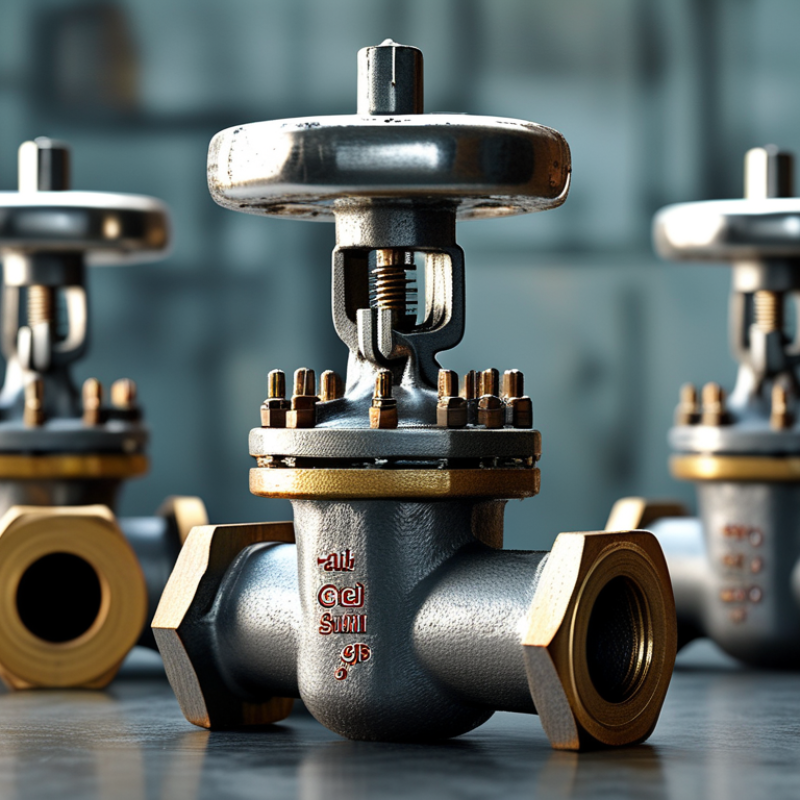
Control valve hunting and oscillation can disrupt system stability. These issues arise from interactions between the valve positioner and the process fluid. When the control valve reacts too aggressively to small changes, it can lead to a rapid opening and closing cycle. This behavior causes unacceptable fluctuations in flow rates and pressure levels.
Understanding the mechanics behind these oscillations is crucial. Factors such as controller tuning, actuator performance, and system dynamics play significant roles. A poorly tuned controller might amplify small errors, resulting in large swings in valve position. Additionally, if the actuator lacks sufficient response time, it may struggle to keep up with the changes, creating a feedback loop of instability.
Addressing this problem requires a systematic approach. Evaluate the controller settings and consider adjusting the proportional band and derivative settings. Oversized valves can also contribute to these issues, so examining their sizing is essential. In some cases, the process may require a detailed investigation to identify the root cause of oscillation. Reducing hunting is often an iterative process, necessitating constant monitoring and adjustments. Regular assessments ensure that the system operates smoothly, reducing wear on components and improving overall performance.
This chart represents the frequency of control valve performance incidents categorized into Stable, Hunting, and Oscillating behaviors. The data indicates that a majority of valves operate stably, while a significant portion experiences hunting and oscillating issues.
Control valve instability can be a major issue in industrial processes. It's critical to understand the common causes of this problem. One prevalent cause is mechanical wear, which is often overlooked. Studies have shown that approximately 30% of control valve failures originate from worn components. Inconsistent flow conditions can also lead to oscillation. For instance, if the media flowing through the valve has varying pressure or temperature, this inconsistency can trigger unwanted fluctuations.
Another significant factor is improper tuning of the control loop. According to industry reports, poorly tuned loops can result in an oscillation rate that increases by up to 50%. Valves may struggle to maintain a steady position under these conditions. In some cases, the use of incorrect actuator sizes exacerbates the issue. An actuator that is too small can respond slowly, leading to a delay in control action. Conversely, one that is too large might overcorrect, resulting in a hunting effect.
Identifying these issues requires careful observation. Monitoring valve behavior and process feedback can reveal patterns of instability. Regular maintenance checks are essential for early detection of wear and misalignment. Ignoring these signs can lead to costly downtime. Implementing a systematic approach to evaluate control systems can enhance reliability and performance.
Hunting and oscillation in control valves can lead to inefficient operation and potential system damage. Studies show that nearly 30% of control valve issues stem from improper tuning. To optimize performance, several tuning strategies can be employed.
Adjusting the proportional gain is crucial. A gain that is too high can cause overshooting, leading to oscillation. Consider lowering the gain until adjustments yield stable operation. Additionally, integrating a derivative component can dampen reactions to sudden changes. This method adds a cushioning effect, reducing the likelihood of oscillations.
Regular maintenance is essential. Dirt and corrosion can affect valve movement, causing fluctuations. Monitoring the valve's response time can also highlight issues. If the response time is too quick, the valve may constantly adjust, creating a hunting effect. Always check for wear and tear in the valve components to maintain reliable function.
Control valves are crucial for managing fluid flow in various systems. However, they can struggle with hunting or oscillation issues. To maintain stability, regular maintenance practices are essential.
One effective practice is to regularly inspect the valve for wear and tear. Look for signs of seat damage or actuator malfunctions. Minor issues can escalate quickly if ignored. Use specific tools to measure performance and ensure the valve operates within its specified range. This proactive approach prevents oscillations before they become problematic.
Adjusting the settings on the control loop can also help. Fine-tune the proportional, integral, and derivative (PID) settings to minimize hunting. Small adjustments can lead to significant improvements in performance. Experimenting with settings may feel uncomfortable initially, but this exploration helps identify the ideal setup for stable operation. Regular training for operators on how to track these settings effectively is crucial.
Consider developing a routine maintenance schedule. This ensures that testing and calibration are performed consistently. Documenting these actions can provide insights over time. Such a practice enhances the reliability of the control valve and reduces the likelihood of oscillations. Continuous learning from previous maintenance experiences fosters greater control valve stability over time.
Control valves are essential for maintaining system stability. However, they may begin to hunt or oscillate, causing operational problems. If you experience issues with your control valve, it is vital to know when to seek professional help. Continuous hunting can lead to equipment wear and system inefficiencies. If adjustments and calibrations fail, don’t hesitate to consult a specialist.
You might notice erratic fluctuations. If these persist, consider inspection. Sometimes, small factors cause big problems. A loose connection or debris in the valve can create chaos in your system. Keep your maintenance log updated. Documenting changes can help identify reoccurring issues and guide professionals in diagnosing the fault.
When in doubt, reach out for expert advice. Delayed intervention can spiral into larger, costlier repairs. A professional can evaluate your system holistically. They can recommend upgrades or more permanent solutions. Remember that safety comes first. Protecting your equipment and personnel is crucial for long-term success.
: It arises from interactions between the valve positioner and process fluid, reacting too aggressively to changes.
It can amplify small errors, causing large swings in valve position that disrupt flow stability.
Look for wear and tear, seat damage, and actuator malfunctions to prevent small issues from escalating.
Adjust the proportional, integral, and derivative (PID) settings to fine-tune for better performance.
Consult a professional if oscillations persist, as expert assessment can identify root causes and solutions.
It documents changes and helps identify reoccurring issues, aiding professionals in diagnosing and resolving problems.
Establish a routine maintenance schedule to ensure performance testing and calibration are consistent over time.
Yes, oversized valves can worsen hunting and oscillation problems, so their sizing should be examined.
Experiment with settings gradually and seek training to become more comfortable with adjustments.
If experiencing continuous hunting, erratic fluctuations, or if adjustments prove ineffective, reach out for expert assistance.
Control valve hunting and oscillation can significantly affect system performance, leading to inefficiencies and potential damage. To understand why is my control valve hunting or oscillating, one must first grasp the mechanics behind these issues. Factors such as incorrect sizing, valve stiction, or improper tuning can contribute to instability. Identifying these common causes is crucial for effective troubleshooting.
To minimize hunting and oscillation, tuning the control valves is essential. This includes adjusting the gain, integral, and derivative settings to find the right balance for your application. Regular maintenance practices, such as cleaning and inspection, ensure the longevity and stability of control valves. If issues persist despite these efforts, seeking professional help may be necessary to implement effective solutions and restore optimal function.

Maria Valve