2026 Best Ball Valve Types Why Is My Ball Valve Leaking?

Time:2026-10-11 Author:Amelia
0%

Choosing the right ball valve in 2026 requires more than comparing prices or connection sizes. Industrial valve market analyses from Grand View Research and MarketsandMarkets indicate continued demand for reliable flow-control equipment across water, chemical, energy, and process industries. That demand reflects a practical concern: small valve failures can create production delays, fluid loss, contamination risks, and expensive maintenance calls.

This guide examines floating, trunnion-mounted, reduced-port, full-port, and three-way ball valve designs. It also explains how pressure ratings, seat materials, media temperature, and cycling frequency affect service life. API 6D, ASME B16.34, API 598, and ISO 5208 provide important benchmarks for design, testing, and pressure performance. However, compliance alone does not guarantee a leak-free installation. A correctly specified valve can still fail after poor alignment, excessive torque, damaged threads, or unsuitable seal materials.

A common search question is: why is my ball valve leaking from the stem? The answer may involve worn packing, a loose gland nut, stem scoring, pressure surges, or incorrect assembly. Sometimes, the visible leak comes from the body joint instead. Diagnosis can be misleading.

Look closely. Use a clean cloth around the stem, inspect under safe isolation procedures, and never tighten hardware blindly. Field experience shows that over-tightening can damage seals and make operation harder. The honest lesson is simple: no valve lasts forever, and even a professional inspection may need a second opinion. This overview connects published industry guidance with practical troubleshooting for safer, more dependable valve selection.
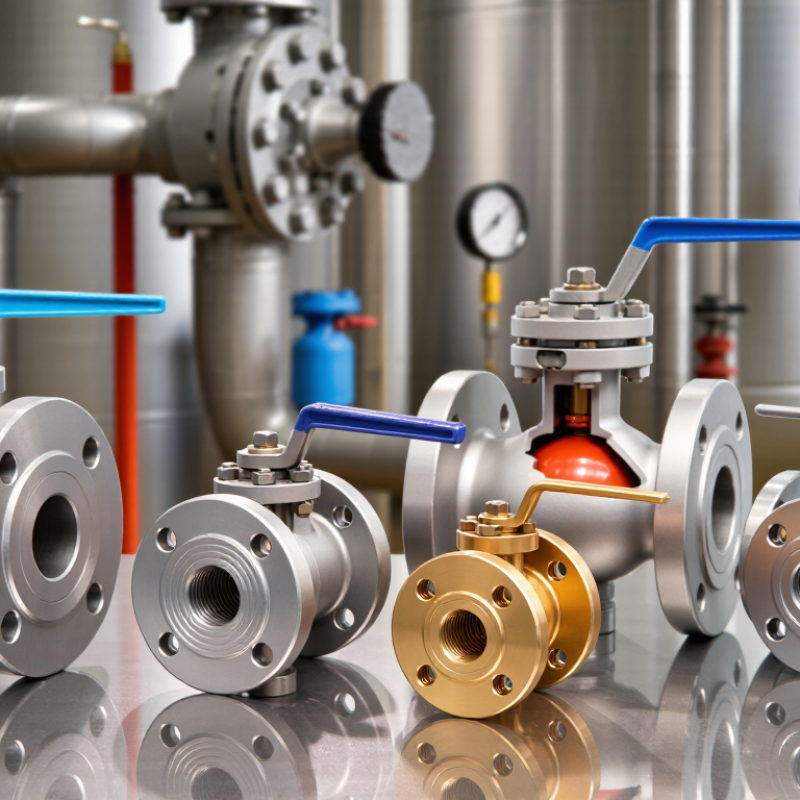
2026 Best Ball Valve Types Why Is My Ball Valve Leaking?

Ball Valve Basics: Design, Components, and Operating Principles

2026 Best Ball Valve Types: Why Is My Ball Valve Leaking?

Ball Valve Basics: Design, Components, and Operating Principles

A ball valve controls flow with a drilled sphere inside its body. Turning the handle rotates the ball ninety degrees. The hole aligns with the pipeline when open and blocks flow when closed. Key components include the body, ball, stem, seats, and handle. Seats create the seal around the ball. The stem transfers movement from the handle. Simple design, but small defects matter.

Floating ball valves use line pressure to push the ball against the downstream seat. They suit many general applications. Trunnion-mounted valves support the ball with additional bearings and may handle larger pipelines or higher operating forces. Full-port designs reduce flow restriction, while reduced-port designs are often more compact. A leaking valve may have worn seats, a damaged ball, loose stem packing, incorrect installation, or debris trapped inside. Sometimes, the valve was never fully closed.

Tips: Isolate the line and release pressure before inspection. Never rely only on the handle position. Check whether leakage comes through the pipe joint, stem, or closed valve. A clean cloth can help locate external seepage. If the valve feels unusually tight, forcing it may worsen internal damage. I have seen troubleshooting focus on the valve while a misaligned pipe caused the real problem. That mistake is easy to repeat. Verify pressure, temperature, flow direction, and material compatibility against the valve’s technical data. Replace damaged sealing parts with correctly rated components.

Major Ball Valve Types and Their Best Applications

A leaking ball valve often points to the wrong valve type, poor installation, or worn sealing surfaces. Floating ball valves suit water, air, and moderate-pressure lines because the seat pushes the ball tightly against the outlet. They are compact and economical. Trunnion-mounted ball valves handle larger pipelines and higher pressures with less operating torque. Their supported ball reduces stress on the seats.

Full-port valves keep the internal opening nearly equal to the pipe diameter. They work well where cleaning tools, low pressure loss, or smooth flow matters.

Reduced-port valves are smaller and often cheaper, making them practical for general service where slight flow restriction is acceptable.

Two-piece valves are useful for standard maintenance. Three-piece valves allow easier body removal and suit systems requiring frequent inspection.

Material selection changes the result. Brass works for many clean water services, while stainless steel better resists corrosion in demanding environments. Plastic valves can perform well in compatible chemical or irrigation systems, but temperature limits need careful checking.

I once saw a new valve leak because the pipe was forced into alignment. The valve was blamed too quickly. Check the threads, gasket, torque, pressure rating, and flow direction before replacement. Also inspect whether the ball remains fully open or closed; partial throttling can damage seats in many designs.

The easy assumption is wrong. A valve may be correctly chosen yet poorly supported.

How to Choose the Best Ball Valve for Your System

2026 Best Ball Valve Types: Why Is My Ball Valve Leaking?

Choosing the best ball valve starts with your system, not the valve’s appearance. Identify the fluid, pressure, temperature, pipe size, and operating frequency. A full-port valve reduces flow restriction in larger process lines. A reduced-port valve may suit utility piping and compact installations. For frequent cycling, select an actuator rated for the required torque. Manual operation can become tiring faster than expected.

Tips: Check seat compatibility. Inspect the stem seal. Confirm the pressure rating. Never guess.

A leaking ball valve often has a damaged seat, loose stem packing, trapped debris, or incorrect installation. Close the line safely, isolate pressure, and inspect the valve body for cracks. A valve that leaks around the stem needs different attention from one leaking through the closed port. Soft seats suit many clean services, while metal seats can handle harsher temperatures and abrasive particles. However, neither choice is universal. Compatibility charts and current technical standards deserve careful review.

In real maintenance work, replacing the valve immediately can hide the original problem. Pipe misalignment may add stress. Excessive tightening can deform sealing parts. I have also seen clean-looking valves fail because the fluid exceeded the seat material’s temperature limit. Select corrosion-resistant body and trim materials when chemistry is uncertain. Document the medium, pressure, temperature, and leak location before ordering a replacement. That small record often prevents a second failure.

Common Causes of Ball Valve Leaks and Failure

2026 Best Ball Valve Types: Why Is My Ball Valve Leaking?

Common Causes of Ball Valve Leaks and Failure

A leaking ball valve often points to worn seats, damaged seals, or trapped debris. I have seen clean-looking valves fail after repeated thermal cycling. The handle may still turn normally, yet the internal seat has already lost contact. Over-tightening the stem packing can also increase friction and accelerate wear. Incorrect flow direction, pressure surges, and incompatible seal materials create further risks.

The U.S. Department of Energy’s Improving Steam System Performance guide reports that a 1/8-inch steam leak at 100 psig can waste about 30,000 pounds of steam yearly. That figure shows why small leaks deserve immediate testing. API 598 pressure-testing practices also emphasize seat and shell tests before service. However, a factory test cannot predict every field failure. Installation debris, vibration, and poor alignment still matter.

Tips: Isolate pressure safely, then inspect the stem, body joint, and downstream seat. Use a calibrated pressure gauge and document test results. Do not force a stuck handle. Check the fluid temperature and chemical compatibility against the valve’s specifications. If leakage returns after tightening, replace the packing or seat kit instead of repeatedly applying torque. A visual inspection alone can mislead.

2026 Best Ball Valve Types: Why Is My Ball Valve Leaking?

Common causes of ball valve leaks and failure, with practical inspection and repair guidance
Ball Valve Type Typical Service Strength Common Leak Location Likely Cause of Leakage or Failure Observable Symptoms Recommended Inspection Typical Corrective Action Risk Level
Floating Ball Valve General liquid and gas isolation; the ball is pressed toward the downstream seat by line pressure. Downstream seat or valve body joint Worn seat, damaged ball surface, unsuitable pressure or temperature, or debris trapped between the ball and seat. Internal shutoff leakage after the handle reaches the closed position; pressure may continue downstream. Verify valve position, isolate the line, depressurize safely, and inspect the ball and seats for scratches, swelling, hardening, or embedded particles. Clean the valve when appropriate; replace damaged seats or the complete valve if the ball or body is scored. Medium
Trunnion-Mounted Ball Valve Higher-pressure and larger-diameter services; the ball is supported by upper and lower stems or trunnions. Stem seal, seat area, or body gasket Stem seal wear, failed body gasket, loss of seat preload, actuator misalignment, or pressure beyond the valve rating. Visible stem leakage, leakage from a body connection, or failure to maintain isolation under pressure. Check the stem area and body joints for wetness or gas detection indications; compare operating pressure and temperature with the valve rating. Replace stem packing or body gaskets using compatible materials; inspect seat and trunnion components before returning the valve to service. High
Top-Entry Ball Valve Applications where maintenance access from the top is useful and line removal is difficult. Top cover gasket, stem seal, or internal seat Cover gasket deterioration, incorrect bolt tightening, thermal cycling, corrosion, or internal seat damage. Leakage around the upper cover or stem; internal bypass when the valve is closed. Inspect the cover flange, bolts, stem area, and pressure boundary for corrosion or distortion after full isolation. Replace the cover gasket with a compatible seal, tighten fasteners in a cross pattern to the specified procedure, and renew damaged internal parts. High
Side-Entry Ball Valve Common general-purpose construction with assembly access through the valve body sides. Body joint, end connection, stem, or seat Loose or uneven fasteners, body seal failure, improper installation, corrosion, or foreign material in the flow path. External leakage at a body seam or connection; incomplete shutoff; unusual torque during operation. Inspect body joints and end connections, confirm pipe alignment, and check for excessive handle or actuator torque. Correct pipe support and alignment, replace body seals, clean the flow path, or replace the valve if the body is damaged. Medium
Reduced-Port Ball Valve Cost-effective isolation with a smaller flow passage than the connected pipe size. Seat, stem, or threaded connection High local flow velocity, pressure drop, erosion, seal wear, or thread damage caused by improper installation. Increasing operating torque, intermittent shutoff leakage, turbulence, or external leakage at threaded ends. Check flow conditions, valve orientation, thread condition, and whether the valve is being used for throttling rather than isolation. Use a full-port design when pressure drop or pigging requirements demand it; replace worn seals or damaged threaded components. Medium
Full-Port Ball Valve Low flow restriction and applications requiring a passage close to the nominal pipe diameter. Seat, stem packing, or end connection Seat damage from debris, thermal degradation, incorrect material selection, or excessive actuator force. Internal leakage, elevated closing torque, or visible leakage around the stem or connection. Confirm media compatibility and temperature limits; inspect seats, stem packing, and the bore for contamination. Flush or clean the system where safe, replace incompatible seals, and calibrate or repair the actuator to prevent over-torque. Medium
Metal-Seated Ball Valve High-temperature, abrasive, or severe-service applications where soft seats may not be suitable. Ball-to-seat interface or stem seal Hard-particle erosion, galling, inadequate lubrication where permitted, thermal distortion, or incorrect seating force. Gradual increase in shutoff leakage, rough operation, abnormal torque, or leakage after thermal cycling. Inspect ball and seat surfaces for scoring, galling, erosion, and heat damage; review temperature, pressure, and particle content. Repair or replace matched ball-and-seat components according to the valve design; eliminate contamination and correct operating conditions. High
Soft-Seated Ball Valve Clean liquid and gas service where tight shutoff is required within the seat material limits. Seat, stem packing, or body seal Seat swelling, shrinking, embrittlement, chemical attack, excessive temperature, or particles cutting the seat. Sudden loss of shutoff, visible seat fragments, increased torque, or leakage after exposure to incompatible media. Compare the seat material with the process media and temperature; inspect the seat for deformation, cracks, and chemical damage. Install a seat material compatible with the media and temperature; remove debris and replace damaged seals. High
Three-Way Ball Valve Flow diversion, mixing, or selection between multiple process paths. Port-to-port seat area, stem, or body seal Incorrect port orientation, worn seats, actuator timing problems, debris, or using an unsuitable flow pattern. Flow passes through the wrong port, cross-port leakage occurs, or the valve cannot reach the intended position. Confirm the port configuration and handle direction; isolate the valve and test each flow path separately. Correct installation orientation or actuator settings; replace worn seats and ensure the selected valve pattern matches the process design. High
Threaded-End Ball Valve Small-diameter utility, water, air, and low-to-moderate pressure installations. Threaded pipe connection Cross-threading, insufficient sealant, over-tightening, vibration, pipe strain, or incompatible thread standards. External leakage at the connection, corrosion around threads, or cracking near the valve end. Depressurize the system and inspect thread condition, alignment, sealant, and signs of body stress or cracking. Replace damaged parts, use the correct thread sealant and engagement, and avoid using the valve to force pipe alignment. Medium
Flanged Ball Valve Medium- and large-diameter piping where bolted maintenance connections are preferred. Flange gasket or flange face Incorrect gasket, uneven bolt loading, flange misalignment, damaged sealing face, or thermal expansion stress. External leakage between flanges, gasket extrusion, or recurring leakage after tightening. Check flange parallelism, gasket type, bolt condition, tightening sequence, and signs of flange face damage. Replace the gasket, correct alignment, clean sealing faces, and tighten bolts using a controlled cross-pattern procedure. High
Actuated Ball Valve Automated isolation or flow routing using electric, pneumatic, or hydraulic actuation. Seat, stem, actuator interface, or control connection Incorrect actuator torque, failed limit switch, misalignment, loss of air or power, or control signal failure. Valve stops short of the closed position, cycles repeatedly, leaks despite a closed signal, or moves unpredictably. Use manual isolation first; verify actuator travel, limit settings, supply pressure or voltage, coupling alignment, and fail position. Recalibrate or repair the actuator, correct coupling alignment, replace damaged seals, and verify complete travel before operation. High
Cryogenic or Low-Temperature Ball Valve Low-temperature fluids where contraction, vaporization, and material toughness are critical. Stem extension seal, body joint, or seat Thermal contraction, ice formation, unsuitable elastomer, embrittlement, or incorrect cooldown procedure. Leakage during cooldown or warm-up, stiff operation, frost formation, or loss of shutoff at low temperature. Follow the approved isolation and warm-up procedure; inspect for frost, material compatibility, and damage after temperature stabilization. Use low-temperature-rated materials and seals, remove ice safely, and replace components damaged by thermal cycling. High
Hygienic Ball Valve Clean-process applications requiring smooth, drainable, and cleanable internal surfaces. Clamp gasket, seat, or product-contact seal Gasket wear, incorrect cleaning temperature or chemical concentration, poor drainage, or residue trapped at the seat. Product leakage, external drips at a clamp, contamination risk, or persistent residue after cleaning. Inspect sanitary connections, gasket condition, drainability, cleaning cycle parameters, and product-contact surfaces. Replace compatible sanitary gaskets, correct cleaning parameters, and clean or replace contaminated internal components. High

Safety note: Always isolate, lock out, depressurize, drain, and verify zero energy before inspecting or servicing a ball valve. Do not use a ball valve as a throttling device unless it is specifically designed and rated for throttling service.

Step-by-Step Ball Valve Leak Diagnosis and Repair

A leaking ball valve needs diagnosis, not immediate replacement. In field inspections, I first dry the valve and mark the leak path. Is fluid escaping from the stem, body joint, or downstream port? A tissue strip can reveal a slow seepage that is hard to see. A continuous hiss suggests pressure remains inside.

Close upstream and downstream isolation valves, then release trapped pressure through the approved drain. Never loosen the body while pressure remains. Check the stem nut and packing area first. A loose packing nut may stop stem leakage, but over-tightening can make the handle stiff and damage the seal. If the valve leaks through the closed port, inspect the seat for wear, debris, or chemical attack. Clean only with a compatible method.

Industry guidance supports careful testing. API 598 specifies shell and closure testing for industrial valves, while ISO 5208 classifies allowable leakage during pressure tests. The U.S. EPA’s Protocol for Equipment Leak Emission Estimates also treats valves as measurable fugitive-emission sources. These references do not replace site procedures. They frame the risk.

After repair, cycle the valve slowly and repeat the pressure test. Record pressure, test duration, fluid, and observed leakage. A repaired valve can still fail when temperature changes. That part is often overlooked. If the body is cracked, corroded, or distorted, replacement is safer than improvisation. My own first inspection has sometimes missed a tiny stem leak, so a second check remains worthwhile.

FAQS

How does a ball valve control fluid flow?

A drilled sphere rotates inside the valve body. Turning the handle ninety degrees opens or closes the passage. The hole aligns with the pipe when open. Simple movement, important results.

What are the main parts of a ball valve?

Common parts include the body, ball, stem, seats, and handle. The stem transfers handle movement to the ball. Seats seal around the rotating ball. Small defects can cause noticeable leakage.

What is the difference between floating and trunnion-mounted designs?

A floating ball uses line pressure against the downstream seat. It suits many general applications. A trunnion-mounted ball has extra support and bearings. It may suit larger pipelines or higher operating forces.

Should I choose a full-port or reduced-port valve?

A full-port design creates less flow restriction. It can suit larger process lines. A reduced-port design is often smaller and more compact. The better choice depends on flow needs.

Why might a ball valve leak after closing?

Possible causes include worn seats, a damaged ball, loose stem packing, or trapped debris. The valve may also be incorrectly installed. Sometimes, it was never fully closed. Do not blame the valve too quickly.

How can I locate the source of a leak?

Isolate the line and release pressure before inspection. Check the pipe joint, stem area, and closed valve passage. A clean cloth can reveal external seepage. Leak location determines the next repair.

What should I check before selecting a replacement valve?

Record the fluid, pressure, temperature, pipe size, and operating frequency. Confirm material compatibility and pressure rating. Check seat compatibility and stem sealing. Never guess.

What should I do if the valve handle feels unusually tight?

Do not force it. Excessive force may worsen internal damage or deform sealing parts. Inspect for debris, pressure, misalignment, or internal wear. The first diagnosis may still be wrong.

Which seat material is suitable for different services?

Soft seats suit many clean services. Metal seats may handle harsher temperatures and abrasive particles. Neither option works universally. Review compatibility data and current technical standards carefully.

Conclusion

This guide explains how ball valves control flow through a rotating ball, examining key components such as the body, ball, seats, stem, and seals. It compares common types, including floating, trunnion-mounted, full-port, reduced-port, and multi-way designs, while describing the operating conditions and applications best suited to each. Readers will also learn how to select a valve by considering pressure, temperature, media compatibility, connection style, flow requirements, and maintenance needs.

The article addresses common causes of leakage and failure, including worn seats, damaged seals, corrosion, excessive pressure, misalignment, and improper installation. If you are asking, “why is my ball valve leaking from the stem,” the guide provides a practical diagnostic process: isolate the system, inspect the stem area, check packing or O-rings, identify damage, and replace or tighten the appropriate components safely. It also outlines repair considerations and preventive maintenance practices to improve reliability and extend valve service life.

Amelia

Amelia

Amelia is a seasoned marketing professional with a wealth of expertise in our company’s core offerings. With an unwavering passion for driving growth and innovation, she plays a pivotal role in shaping our marketing strategies and enhancing brand visibility. A key aspect of her responsibilities......